
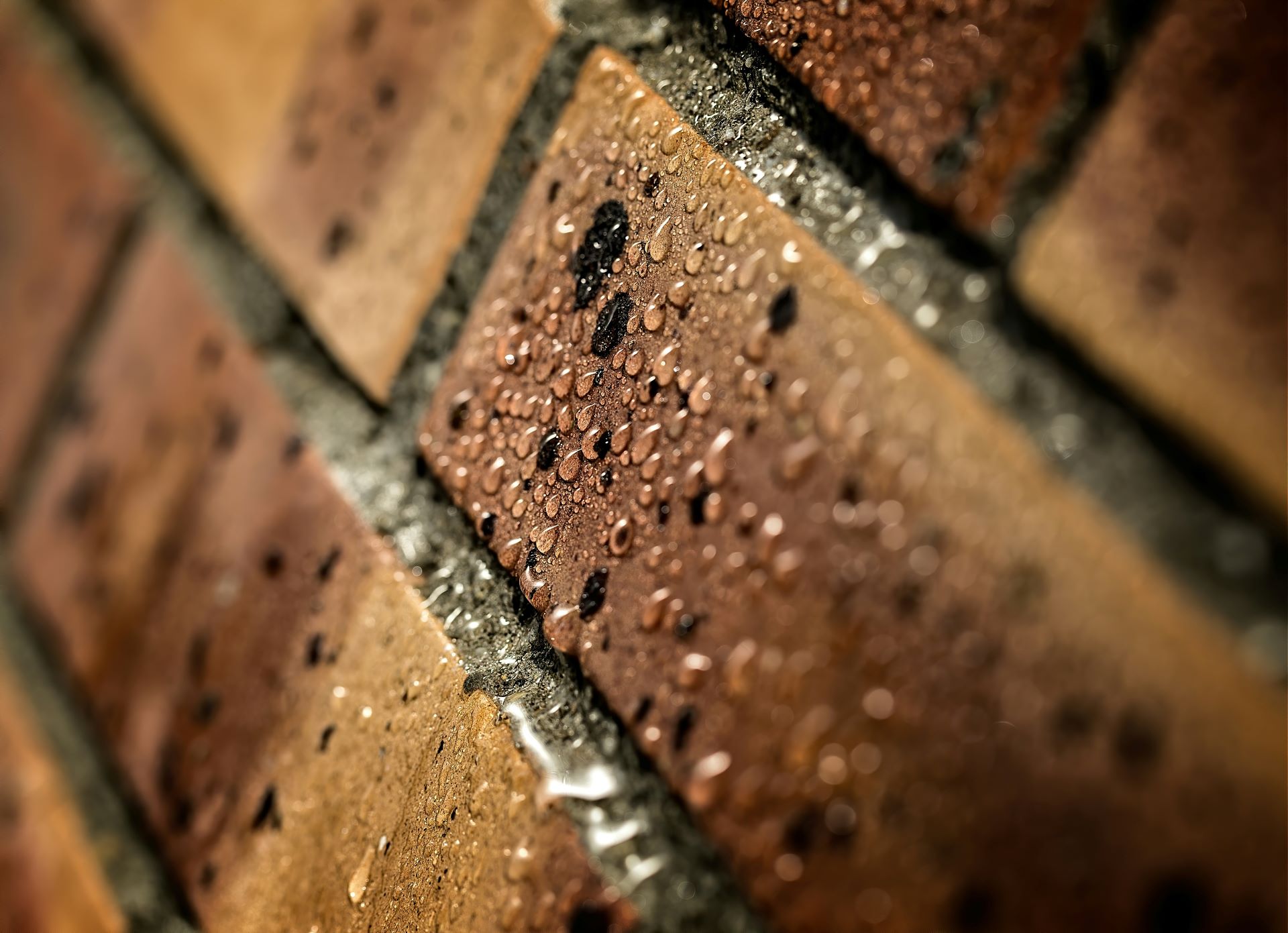
Waterproofing Lifespan Explained for Durban Buildings
Waterproofing Lifespan: Why “Once-Off” Doesn’t Exist
Waterproofing often gets sold, or misunderstood, as a “fit and forget” solution. A single application, a sealed roof, a treated wall… and job done for life. In reality, every waterproofing system is less like a concrete wall and more like a living skin. It breathes, flexes, ages, and slowly weakens under Durban’s humidity, salt air, heat cycles, and heavy seasonal rainfall.
In building maintenance terms, waterproofing is not a product. It is a time-based protection system.
And like all systems exposed to the elements, it has a lifespan.
Durban’s Climate: The Silent Stress Test
Durban is one of the harshest environments for waterproofing in South Africa, not because of extremes like freezing or desert heat, but because of constant moisture pressure.
Coastal humidity ensures surfaces rarely fully dry. Salt-laden air accelerates corrosion in reinforcement steel. Intense summer rainfall creates repeated saturation cycles, especially on flat roofs and poorly drained slabs.
Even buildings that appear stable on the surface are undergoing slow internal stress:
- Concrete absorbs moisture and releases it repeatedly
- Steel reinforcement expands slightly when corroding
- Membranes soften, harden, and micro-crack over time
- Sealants lose elasticity under UV and heat exposure
This is not failure in the dramatic sense. It is gradual fatigue. And that is exactly why waterproofing must be maintained, not just installed.
The Myth of Permanent Waterproofing
The idea of permanent waterproofing usually comes from marketing language or misunderstood warranties. In practice, every system has a predictable decay curve.
Most commonly used waterproofing systems in South African construction fall into these lifespan ranges:
- Liquid-applied coatings: around 5–10 years
- Bituminous torch-on membranes: roughly 10–20 years
- Cementitious coatings: around 8–15 years
- High-grade sheet membranes: can exceed 20–30 years with maintenance
These numbers are not fixed promises. They assume correct installation, proper surface preparation, and ongoing maintenance.
In Durban conditions, those numbers often shorten if maintenance is neglected or drainage is poor.
Why Waterproofing Degrades Over Time
Waterproofing does not fail in one moment. It erodes through small, compounding changes.
UV exposure breaks down surface layers, especially on exposed roofs and balconies. Thermal expansion and contraction cause micro-movement in substrates, slowly loosening adhesion points. Water ingress finds its way into hairline cracks that were previously harmless. Once inside, it works quietly behind finishes.
One of the most overlooked factors is movement in the building itself. Concrete structures are never completely static. They expand slightly in heat, contract in cooler weather, and shift under load. Waterproofing systems sitting on top of these surfaces must flex with them. When they lose that flexibility, cracking begins.
Maintenance Cycles: The Real Lifespan Strategy
Instead of thinking in terms of “how long does waterproofing last”, professionals think in cycles.
A waterproofing system typically follows a lifecycle like this:
It is installed and performs at full capacity for an initial period.
Then it enters a stable phase where performance remains high but slowly declines.
Eventually it reaches a threshold where minor defects begin to appear.
After that point, intervention is required to reset performance.
This is why maintenance schedules exist. They are not optional extras. They are part of the system design.
In Durban, a practical maintenance rhythm often looks like this:
- Annual inspection of roofs, gutters, and wet areas
- Minor repairs every 2–5 years depending on exposure
- Partial re-coating or sealing every 5–10 years
- Full system replacement at longer intervals depending on material type
This cycle-based approach prevents catastrophic failures like ceiling leaks, plaster damage, or reinforcement corrosion.
Flat Roofs: Where Most Problems Begin
Flat roofs are particularly vulnerable in Durban because water does not naturally evacuate quickly during heavy rain events.
Even slight drainage issues can cause ponding. Standing water increases pressure on seams, joints, and membrane overlaps. Over time, these weak points become entry points.
Once water penetrates beneath a membrane, it rarely exits cleanly. Instead, it spreads laterally inside the structure, often appearing far from the original failure point.
This is why flat roof waterproofing is never a once-off task. It requires ongoing inspection, especially after storm seasons.
Bathrooms and Internal Wet Areas
Internal waterproofing systems behave differently but follow the same principle of gradual degradation.
Bathrooms, balconies, and kitchens rely heavily on sealants and membranes around high-movement joints. These areas experience constant exposure to moisture, cleaning chemicals, and temperature changes.
Silicone joints shrink and lose elasticity. Grout becomes porous over time. Hidden membrane layers beneath tiles can remain intact for years, but once compromised, water damage tends to spread invisibly behind finishes.
Regular attention to small details like re-sealing joints can extend system life significantly.
The Role of Installation Quality
A waterproofing system is only as strong as its weakest installation detail.
Even premium materials fail early if:
- surfaces were not properly cleaned or primed
- moisture was trapped during application
- overlaps were incorrectly sealed
- corners and penetrations were poorly detailed
In Durban’s humid conditions, poor preparation is especially unforgiving. Moisture trapped beneath a membrane can prevent proper adhesion, creating early blistering or delamination.
Good waterproofing is therefore less about the material and more about the discipline of installation.
Early Warning Signs Most Buildings Ignore
Waterproofing failure rarely starts with visible leaks. It starts subtly.
Watch for:
- faint damp patches that come and go
- paint blistering or bubbling
- hairline cracks along roof edges or parapets
- musty smells in enclosed areas
- efflorescence (white salt deposits) on walls
These are not cosmetic issues. They are signals that moisture is already interacting with internal layers.
By the time water drips from a ceiling, the system has usually been compromised for some time.
Why Maintenance Is Cheaper Than Replacement
One of the most important shifts in thinking is cost timing.
Replacing waterproofing after failure means dealing with secondary damage: plaster repairs, repainting, structural drying, and sometimes reinforcement treatment.
Preventative maintenance avoids that cascade entirely. Small repairs and scheduled recoating extend system life at a fraction of replacement cost.
In practical terms, maintenance is not an expense added to waterproofing. It is what preserves the original investment.
Designing Buildings for Repair, Not Permanence
Modern construction in coastal cities like Durban increasingly treats waterproofing as a service layer rather than a permanent layer.
This means:
- designing accessible roof systems for inspection
- planning drainage that prevents water pooling
- using materials that can be recoated rather than fully replaced
- scheduling maintenance into building management plans
A well-designed building assumes that waterproofing will be refreshed multiple times during its life.
That mindset shift is crucial. It turns waterproofing from a hidden risk into a managed system.
Conclusion: Waterproofing Is a Cycle, Not a Finish Line
There is no such thing as permanent waterproofing in Durban, or anywhere else exposed to coastal conditions.
Every system degrades. Every material ages. Every building moves.
The difference between buildings that last and buildings that deteriorate is not whether waterproofing exists, but whether it is maintained in cycles that match its natural lifespan.
Think of waterproofing less like paint on a wall, and more like brake pads on a vehicle. It is designed to wear down safely, not last forever.
And when it is maintained properly, it quietly does its job for decades, protecting everything beneath it from the one force that never stops working: water.