
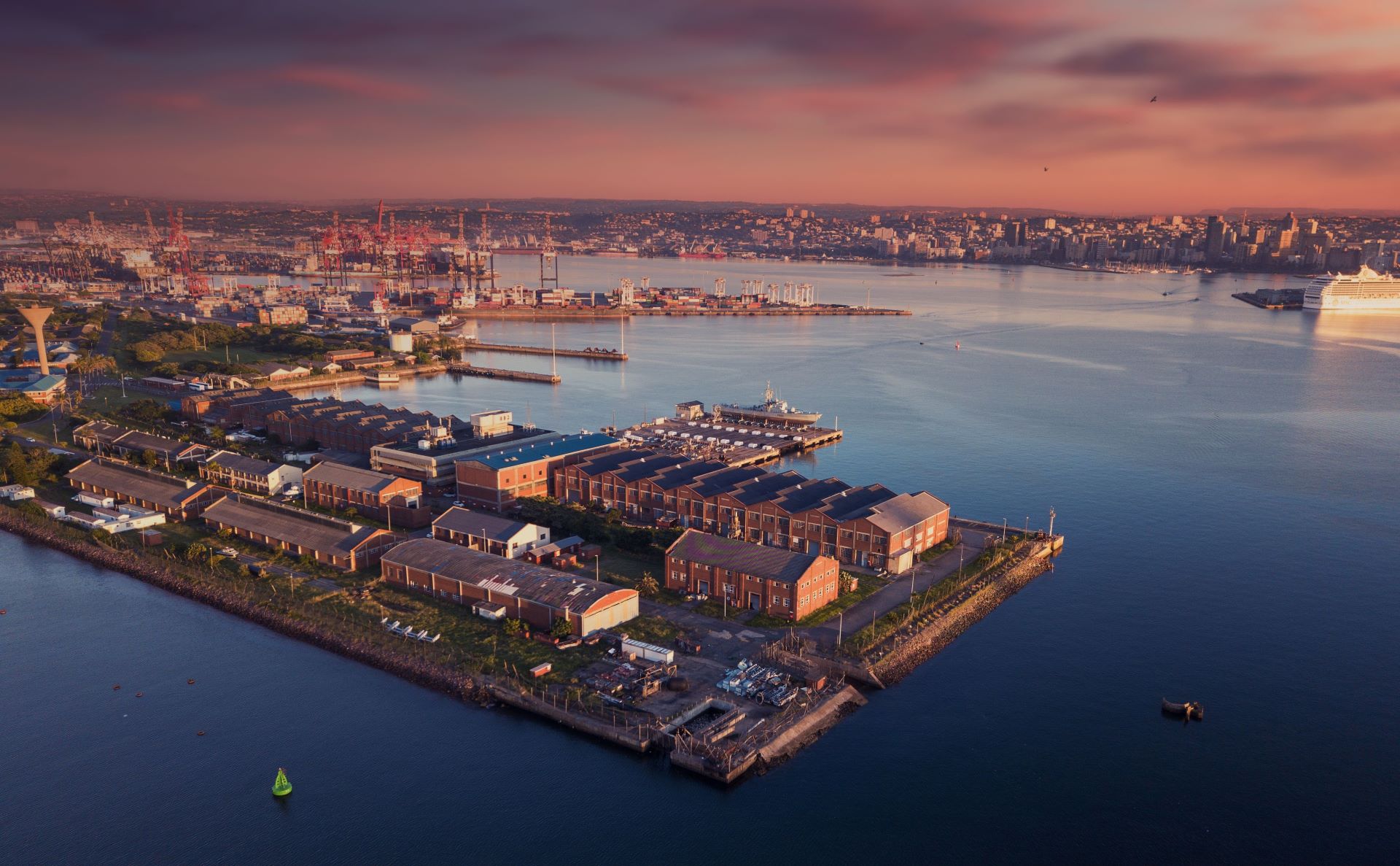
The Future of Mixed-Use Developments in Durban KZN
The Rise of Integrated Urban Living in Durban
Durban’s urban landscape is steadily shifting away from single-purpose zoning toward a more integrated model of city building. In KwaZulu-Natal, particularly across the eThekwini metro, mixed-use developments are emerging as a practical response to land scarcity, infrastructure strain, and changing lifestyle expectations.
These developments combine residential units, commercial spaces, retail nodes, and often public amenities within a single precinct. The result is a more compact and efficient urban form where daily needs are located within walking or short commuting distance. This shift is not merely aesthetic; it is structural, reshaping how construction projects are conceived, approved, and delivered across Durban.
The idea of “live, work, play” is no longer aspirational branding—it is becoming a core planning principle guiding new precinct-scale developments across the region.
Urban Efficiency as a Driving Force in KZN Construction
At the heart of Durban’s mixed-use evolution is a growing demand for urban efficiency. The city’s infrastructure networks—roads, utilities, and public transport corridors—are under increasing pressure as population density rises.
Mixed-use developments offer a strategic response by concentrating demand within defined nodes, reducing urban sprawl and limiting long-distance commuting. This approach improves land utilisation and reduces pressure on municipal services, particularly in high-growth areas such as Umhlanga, Cornubia, and the broader northern corridor.
Recent large-scale precincts in Durban illustrate this direction clearly. Developments such as Cornubia, for example, integrate residential housing, retail environments, industrial zones, and public facilities into a single master-planned framework. These are not isolated projects but coordinated urban systems designed to function as self-supporting districts over decades of phased construction and occupation.
In practical construction terms, this requires tighter coordination between civil engineering, transport planning, utility provisioning, and architectural design than traditional stand-alone developments.
The Shift From Sprawl to Density
For decades, Durban’s growth pattern followed a horizontal expansion model, with residential suburbs stretching further from employment nodes. However, this has proven increasingly inefficient as commuting costs rise and infrastructure backlogs deepen.
Mixed-use developments are now enabling a shift toward vertical and clustered density. Instead of separating residential, retail, and office functions across vast distances, they are being stacked and integrated within the same footprint.
This densification is not simply about building taller structures. It is about smarter land use. By combining multiple functions on a single site, developers achieve higher economic yield per square metre while municipalities benefit from more efficient infrastructure investment.
In areas like Umhlanga Ridge and surrounding growth zones, high-rise residential towers sit above retail podiums and office spaces, creating continuous activity cycles throughout the day. This constant usage pattern increases security, economic vibrancy, and long-term precinct sustainability.
Engineering and Infrastructure Complexity
From a construction perspective, mixed-use developments in Durban introduce a significantly higher level of technical complexity compared to traditional single-use projects.
Foundations must often support varied load requirements due to the combination of parking structures, commercial floors, and residential towers. Mechanical and electrical systems must be designed to accommodate different usage patterns, from peak retail electricity demand to residential water consumption cycles.
Water infrastructure is particularly critical in the Durban context. Aging municipal systems in certain areas require developers to implement mitigation strategies such as on-site storage, pressure management systems, and water-efficient building technologies. This ensures continuity of service even during municipal strain.
Transport integration is another major consideration. Successful mixed-use precincts are increasingly aligned with major arterial routes and public transport planning frameworks, reducing dependency on private vehicles and improving accessibility.
These engineering requirements make early-stage planning essential. Errors in coordination between disciplines can result in costly redesigns or long-term operational inefficiencies.
Economic Efficiency and Development Viability
The financial logic behind mixed-use development in Durban is strongly tied to land value optimisation and long-term asset resilience.
By combining multiple income-generating uses—residential rentals, commercial leases, retail tenants—developers diversify revenue streams within a single precinct. This reduces exposure to market fluctuations in any one sector.
It also improves land productivity. A single hectare in a mixed-use context can generate significantly higher economic output than the same hectare used for standalone housing or retail.
However, viability depends heavily on careful phasing. Large-scale precincts often take years, sometimes decades, to complete fully. Developers must balance early-stage cash flow from retail or residential components while later phases of office or industrial space are still under construction.
In Durban’s evolving market, investor confidence is increasingly tied to infrastructure certainty, location connectivity, and municipal support for densification-led growth.
Sustainability and Long-Term Urban Performance
Mixed-use developments are also being shaped by sustainability imperatives. Durban’s coastal environment and climate risks require more resilient urban design strategies, particularly in managing stormwater, heat exposure, and energy demand.
Compact urban form reduces the need for long vehicular travel, indirectly lowering emissions. Additionally, integrated precincts allow for shared energy systems, improved waste management, and more efficient use of public infrastructure.
There is also a growing emphasis on creating human-scale environments within large developments. Public spaces, pedestrian corridors, and landscaped zones are being incorporated not as afterthoughts but as essential components of livability.
Over time, these elements contribute to higher property retention rates and stronger long-term precinct identity.
The Role of Public-Private Coordination
One of the defining features of successful mixed-use developments in Durban is the level of coordination between public authorities and private developers.
Municipal planning frameworks increasingly rely on private-sector participation to deliver large-scale infrastructure and housing solutions. In return, developers benefit from clearer zoning, bulk infrastructure alignment, and long-term precinct planning certainty.
This collaboration is particularly visible in catalytic projects across eThekwini, where integrated developments are used as tools for urban restructuring rather than isolated investments.
When properly aligned, this partnership model enables faster delivery of infrastructure and more coherent urban growth patterns.
Future Outlook for Durban and KZN
Looking ahead, mixed-use development is expected to become the dominant typology for urban expansion in Durban and surrounding KZN regions.
The combination of population growth, land constraints, and infrastructure limitations makes traditional urban sprawl increasingly unsustainable. In contrast, compact precinct-based development offers a more resilient and efficient model.
Future projects are likely to place even greater emphasis on transit-oriented design, digital infrastructure integration, and climate-adaptive construction methods.
As Durban continues to evolve, the success of its urban future will depend not only on what is built, but how efficiently land, infrastructure, and human activity are woven together into coherent, functioning systems.
Mixed-use developments represent a fundamental shift in how Durban is being constructed and experienced. They are not merely architectural trends, but structural responses to economic, environmental, and infrastructural realities.
By prioritising urban efficiency, integrated planning, and multi-functional land use, KwaZulu-Natal is steadily moving toward a more compact and sustainable urban future—one precinct at a time.