
Preventing Mold in SA Homes: Moisture Control Guide
Preventing Mold Growth in SA Homes: A Practical Guide
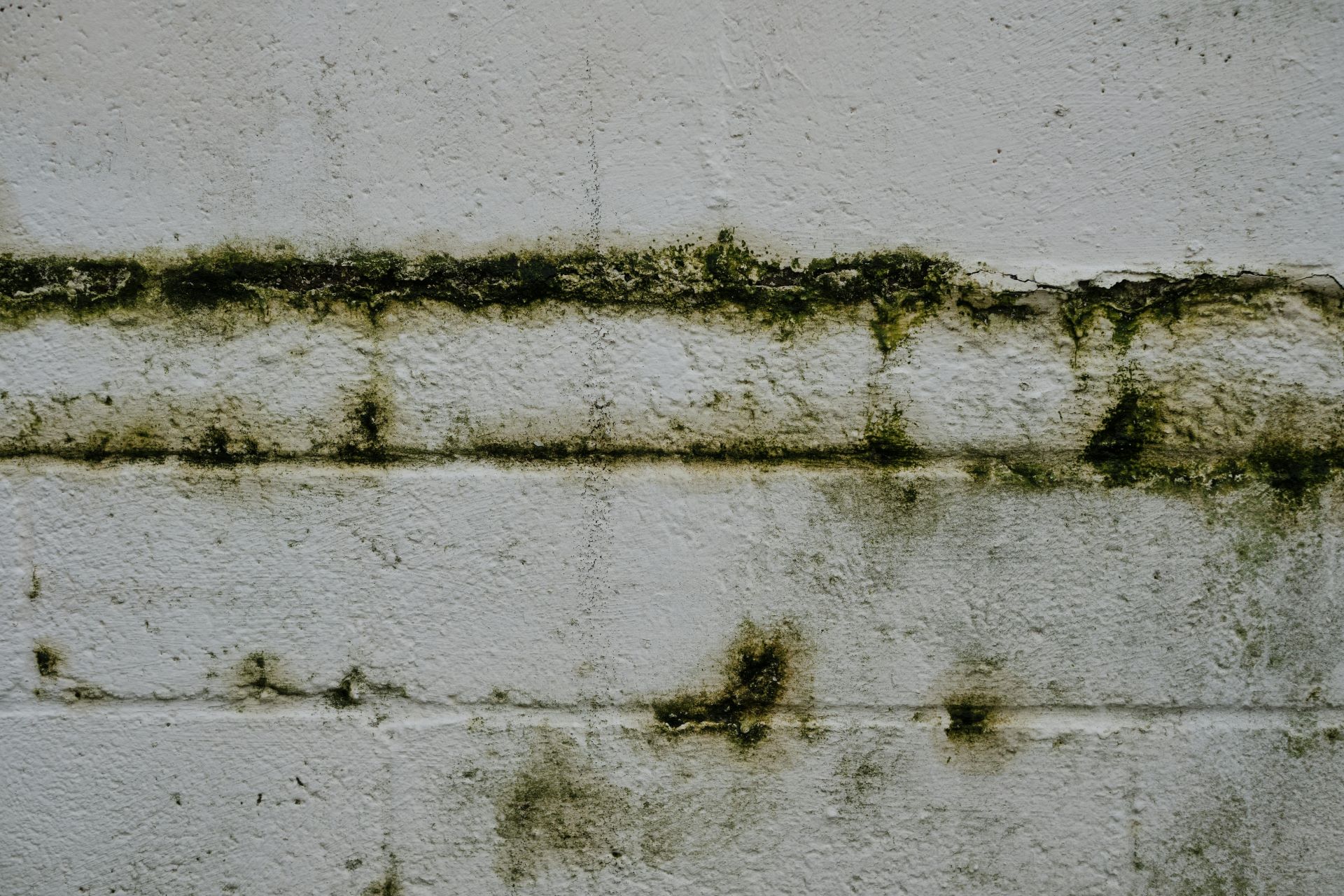
Mold doesn’t arrive like a guest at the door. It materialises quietly, like an unwanted tenant that moves in through damp corners, forgotten leaks, and stagnant air pockets. In South African homes, where seasonal humidity shifts and mixed building conditions collide, mold becomes less of an exception and more of a recurring maintenance challenge.
The core truth is simple: humidity feeds mold. When moisture lingers indoors without escape routes, surfaces become breeding grounds. And once mold takes hold, it rarely stays polite.
This guide focuses on what actually matters in building maintenance: ventilation design, moisture control, and practical prevention strategies tailored to South African conditions.
Understanding Mold in the South African Context
South Africa’s climate varies wildly, from coastal humidity in Durban and Cape Town’s winter rainfall zones to dry inland regions that still trap moisture indoors through poor ventilation practices.
In many homes and buildings, mold is not caused by a single failure. It is usually the result of multiple overlapping conditions:
- Moisture intrusion through roofs or walls
- Poor airflow in sealed or compact spaces
- Daily humidity spikes from cooking, bathing, and laundry
- Condensation forming on cold surfaces during seasonal temperature shifts
When indoor humidity rises above stable thresholds, mold spores settle, activate, and begin colonising porous materials like plaster, timber, and paint layers.
Why Humidity Is the Real Trigger
Humidity is the invisible fuel source of mold. Even when surfaces appear dry, airborne moisture can keep conditions active for growth.
In many South African homes, humidity rises due to everyday activities:
- Hot showers in poorly ventilated bathrooms
- Indoor drying of clothes during rainy or winter periods
- Steam-heavy cooking without extraction systems
- Closed windows during temperature extremes
Once indoor moisture accumulates, it begins to condense on cooler surfaces such as window frames, external walls, and ceiling corners. These damp micro-zones become the starting points of mold colonies.
The danger is not only visible growth. Long-term exposure to elevated humidity weakens paint systems, damages plaster integrity, and encourages hidden mold behind walls and ceilings.
Ventilation as the First Line of Defence
Ventilation is not just “fresh air”. It is engineered moisture removal.
Without controlled airflow, moisture has no exit path. It circulates, settles, and condenses.
In South African residential and commercial buildings, effective ventilation usually involves a combination of natural and mechanical systems:
Natural airflow design
Cross-ventilation remains one of the most effective passive strategies. When air enters from one side of a structure and exits from another, humidity is continuously diluted.
However, many modern renovations reduce airflow unintentionally by sealing windows, installing heavy glazing, or blocking vents.
Mechanical extraction systems
Extractor fans in bathrooms and kitchens are critical. They remove moisture at the source before it disperses into the building envelope.
In bathrooms especially, ventilation should continue after use, not stop immediately once the light is switched off. Moist air needs time to clear fully.
Air movement discipline
Even simple airflow habits matter. Closed, stagnant rooms trap humidity faster than most homeowners realise. Keeping internal doors open periodically helps equalise moisture levels across the building.
Poor ventilation is one of the most consistent contributors to mold issues in Gauteng and coastal regions alike, particularly in tightly sealed modern homes.
Moisture Control Through Daily Habits
While structural systems matter, everyday behaviour often determines whether mold develops or not.
South African households commonly increase indoor moisture without noticing it. The goal is not to eliminate moisture entirely, but to prevent accumulation.
Key behavioural adjustments include:
- Avoiding indoor drying of wet clothing where possible
- Using lids on boiling pots during cooking
- Running extraction fans during and after showers
- Wiping condensation from windows and tiled surfaces
- Keeping storage areas ventilated, especially cupboards against external walls
Each action may seem small, but together they reduce the internal humidity load significantly.
Moisture control is cumulative. A home that consistently manages small sources of humidity rarely develops large-scale mold outbreaks.
Hidden Moisture: The Real Structural Risk
Surface mold is only the visible layer of a deeper problem. In many South African buildings, moisture moves silently through structural systems.
Common hidden sources include:
- Roof leaks that saturate ceiling cavities
- Plumbing leaks behind walls
- Rising damp from ground moisture penetration
- Poorly sealed bathroom and kitchen tiling systems
These conditions allow mold to grow out of sight for extended periods. By the time it becomes visible, internal materials may already be compromised.
This is why moisture inspection is as important as cleaning. Removing visible mold without addressing the moisture source only resets the cycle temporarily.
Bathrooms, Kitchens, and High-Risk Zones
Certain rooms consistently act as humidity hotspots in South African homes.
Bathrooms are the most common problem areas due to repeated steam exposure. Without proper extraction, moisture settles into grout lines, ceilings, and corners.
Kitchens contribute heavily through boiling water, dishwashing, and cooking vapours. Even modern open-plan kitchens can spread humidity across entire living spaces if airflow is insufficient.
Laundry areas are often overlooked. Indoor drying racks, washing machines, and limited ventilation combine into persistent damp zones.
These areas require active management rather than passive design assumptions.
Condensation: The Silent Early Warning System
Condensation is often the first visible sign of a moisture imbalance.
When warm, humid air meets cooler surfaces, water droplets form. This typically appears on:
- Window panes in the early morning
- Metal door frames
- External-facing walls
- Ceiling corners during colder months
While condensation may seem harmless, it is essentially liquid moisture re-entering the building envelope.
If left unchecked, these repeated damp cycles create ideal conditions for mold to establish itself.
Wiping condensation is not a cosmetic action. It is a preventive maintenance step.
Building Materials and Their Role in Mold Resistance
Not all materials respond equally to moisture exposure.
Porous materials such as untreated plaster, timber, and low-grade paints absorb humidity easily. Once moisture penetrates these layers, it becomes difficult to fully remove without drying systems.
More resistant systems include:
- Moisture-resistant paints in wet zones
- Properly sealed grout and tile systems
- Treated timber or composite alternatives in damp-prone areas
However, even the best materials fail if ventilation and humidity control are neglected. Material selection supports prevention, but does not replace environmental control.
Seasonal Shifts and Moisture Behaviour
South Africa’s seasonal transitions significantly influence indoor humidity behaviour.
During colder months, homes are often sealed tightly to retain warmth. This reduces ventilation and traps moisture indoors. At the same time, temperature differences increase condensation risk.
During warmer months, higher ambient humidity levels—especially in coastal regions—naturally increase indoor moisture loads.
These cycles mean mold prevention cannot be seasonal. It must be continuous, with small adjustments depending on conditions.
Practical Maintenance Strategy for Long-Term Prevention
Effective mold prevention is less about reaction and more about routine system awareness.
A practical maintenance mindset includes:
- Regular inspection of damp-prone areas
- Immediate repair of leaks, no matter how small
- Continuous ventilation awareness in bathrooms and kitchens
- Monitoring of condensation patterns as early warning signs
- Ensuring airflow is not obstructed by furniture or renovations
In building maintenance terms, mold prevention is not a single task. It is a layered system of control that integrates structure, behaviour, and environmental awareness.
Controlling Moisture is Controlling Mold
Mold is not the root problem. Moisture is.
In South African homes, where climate variation and building diversity create unpredictable indoor conditions, the most reliable defence is consistent humidity control paired with effective ventilation.
When air moves properly, moisture exits before it settles. When moisture is managed at source level, mold loses its opportunity to establish itself.
A dry home is not just cleaner. It is structurally stronger, healthier, and far easier to maintain over time.
And in building maintenance, that stability is the real goal.