
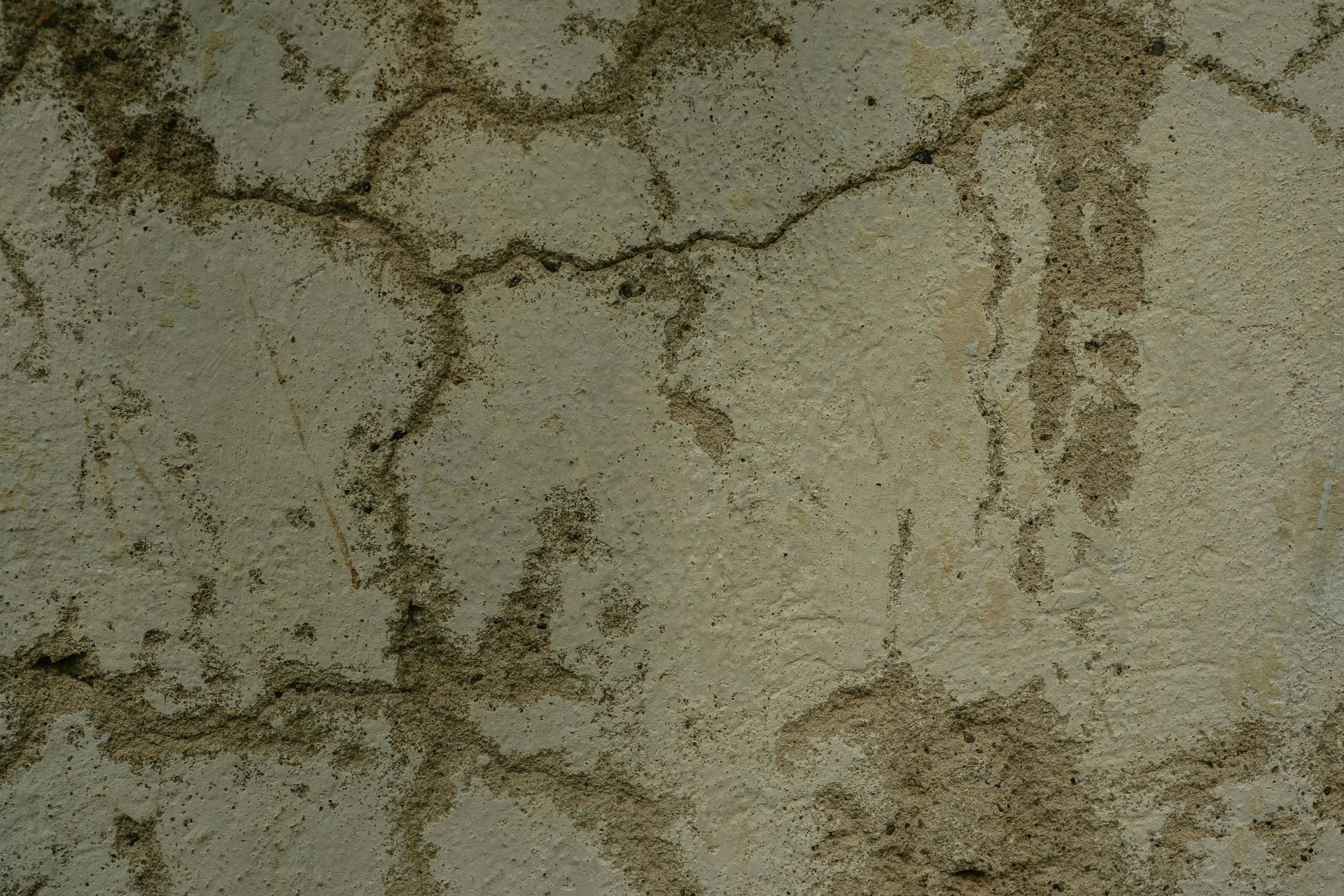
Preventing Cracks with Expansion Joints in Walls
Drive through Durban’s suburbs, from the Berea to Umhlanga, and you will see long boundary walls and extended façades defining residential and commercial properties. They look solid and permanent, yet many develop hairline cracks within a few seasons. Some cracks are cosmetic. Others are structural warnings written in mortar.
In Durban’s humid subtropical climate, temperature shifts are not extreme in comparison to inland regions, but they are consistent and paired with high moisture levels. Walls heat up under coastal sun, then cool during rainstorms or at night. Masonry expands as it warms and contracts as it cools. That movement is small in millimetres, yet over long wall sections it accumulates. Without somewhere to relieve that stress, the wall relieves it itself, often in the form of cracking.
Expansion joints are the controlled answers to an uncontrolled problem. They are deliberate separations in long wall sections that allow materials to move without damage. In coastal construction, where salt air, moisture and daily temperature cycles combine, they are not optional refinements. They are essential components of responsible design.
Temperature Movement and Masonry Behaviour
Brick and blockwork are not static materials. Clay bricks expand with heat and moisture absorption. Concrete blocks shrink as they dry after manufacture and then expand and contract with temperature changes. Mortar joints have their own movement characteristics. Steel reinforcement, if present, expands at a different rate to masonry.
Durban’s average summer temperatures can climb into the high twenties and low thirties. Walls exposed to direct sunlight can reach far higher surface temperatures. A long west-facing boundary wall in Phoenix or Mount Edgecombe can absorb intense afternoon heat before cooling rapidly during coastal showers. This thermal cycling places masonry under constant stress.
Even small movements become significant over distance. A long unbroken 30-metre wall may experience several millimetres of expansion. If restrained at both ends, that expansion has nowhere to go. The resulting compressive forces can cause bowing, stepped cracking along mortar joints, or vertical cracks at weak points such as window openings.
Expansion joints interrupt that length. They create predictable movement zones. Instead of random cracks, the wall moves at designed locations.
The Role of Expansion Joints in Long Wall Sections
An expansion joint is a continuous vertical or horizontal separation between sections of masonry. It allows adjacent sections to move independently. In Durban’s construction context, vertical expansion joints are most common in long boundary walls, façades and warehouse elevations.
These joints are not gaps left open to the weather. They are carefully detailed separations filled with compressible materials and sealed to prevent water ingress. The joint accommodates expansion and contraction while maintaining the wall’s weather resistance and aesthetic continuity.
In practice, an expansion joint divides a long wall into shorter panels. Each panel can expand and contract without transferring stress to the next. This reduces the risk of uncontrolled cracking, especially at corners and around structural connections.
For developers building long perimeter walls around estates in areas like Ballito or La Lucia Ridge, the use of expansion joints can significantly reduce maintenance costs. Cracked walls require patching, repainting and sometimes structural repair. Properly designed joints limit that cycle.
Determining Correct Joint Spacing in Durban
Joint spacing is not arbitrary. It depends on material type, wall height, exposure conditions and structural restraint. In Durban, coastal exposure and solar intensity must be factored into calculations.
For clay brick masonry, expansion joints are typically recommended at intervals ranging from approximately 6 to 12 metres, depending on brick type and orientation. Concrete blockwork may require slightly different spacing due to shrinkage characteristics. However, these general figures must be refined by consulting manufacturer data and relevant South African standards.
Walls exposed to full sun on one side may require closer spacing than shaded walls. A long north-facing wall that receives constant sunlight may experience greater thermal expansion than a sheltered internal wall in a shopping centre.
Wall height also influences spacing. Taller walls are more flexible and may distribute stresses differently, yet they are also more vulnerable to wind loading, particularly along Durban’s coastline. Combining thermal movement with wind-induced movement increases the demand for properly positioned joints.
Corners and changes in wall geometry are critical locations. Expansion joints should often be placed near corners, at junctions between different materials, and where walls connect to reinforced concrete columns or beams. These interfaces are natural stress concentrators.
The guiding principle is simple. The longer and more exposed the wall, the more deliberate the joint planning must be.
Vertical Versus Horizontal Expansion Joints
Most discussions around long wall sections focus on vertical joints. These run from the base of the wall to the top, fully separating adjacent masonry panels. They are especially important in boundary walls and long façades.
Horizontal joints, however, also have a role in Durban construction. In multi-storey buildings, horizontal movement joints may be introduced at floor slab levels. Concrete slabs and masonry infill panels expand and contract differently. If the slab deflects or moves under load, rigidly bonded masonry can crack. A horizontal movement joint beneath a slab edge can allow differential movement without visible damage.
In commercial developments around Durban North or Umhlanga Ridge, where reinforced concrete frames are common, these horizontal joints are vital. They ensure that structural movement does not translate into façade cracking.
The detailing of horizontal joints is more complex, as they must maintain weatherproofing across the façade. Flexible flashings, compressible fillers and proper sealants become central components of the design.
Selecting Suitable Filler Materials
The performance of an expansion joint depends heavily on its filler material. The filler must be compressible enough to accommodate movement yet durable enough to withstand Durban’s humid, sometimes saline environment.
Common filler materials include closed-cell polyethylene foam, bitumen-impregnated fibreboard and specialised compressible joint fillers designed for masonry applications. In coastal areas, resistance to moisture absorption is critical. Materials that absorb water can swell unpredictably or degrade over time.
Closed-cell foam backer rods are frequently used in conjunction with sealants. They provide a compressible backing that controls sealant depth and allows the joint to flex properly. The foam must be sized correctly to fit snugly within the joint without being overly compressed during installation.
Bituminous fillers have historically been used in boundary walls. However, in Durban’s high temperatures, some bitumen-based products can soften. Careful product selection is necessary to ensure long-term stability.
The filler is only part of the system. It must work in harmony with sealants and joint dimensions.
Sealants and Weatherproofing in Coastal Conditions
Durban’s climate introduces a dual challenge. Joints must allow movement and also resist heavy rainfall, wind-driven moisture and salt-laden air. The choice of sealant is therefore crucial.
Flexible polyurethane and polysulphide sealants are commonly used in masonry expansion joints. These materials can elongate and compress repeatedly without cracking. They adhere well to brick and concrete when surfaces are properly prepared.
Surface preparation is often overlooked. Masonry edges must be clean, dry and free from dust or loose mortar. Primer may be required depending on the sealant manufacturer’s specifications. Poor adhesion leads to premature failure, which then allows water ingress into the joint.
Joint width and depth ratios are equally important. A sealant bead that is too deep becomes stiff and cannot flex adequately. Using a backer rod ensures the sealant adheres only to the two vertical faces of the joint and not to the back surface. This creates a proper hourglass shape that enhances movement capacity.
In coastal estates near uMhlanga or the Bluff, salt exposure accelerates material degradation. High-quality, UV-resistant sealants should be prioritised. Cutting costs at this stage often results in visible joint failures within a few years.
Construction Detailing and Workmanship
Even the best design fails under poor workmanship. In Durban’s fast-paced residential developments, expansion joints are sometimes treated as afterthoughts. Contractors may omit them to save time or close them unintentionally with mortar droppings.
A true expansion joint must be continuous from foundation to coping. If mortar bridges the gap at any point, movement becomes restricted. This can create concentrated stress at that location, leading to cracking adjacent to the joint.
Joint edges should be neatly formed during bricklaying. Temporary spacers can help maintain consistent width. After construction, joints must be inspected to ensure they are clear of debris before filler and sealant installation.
Coping details at the top of boundary walls require special care. If coping slabs span across expansion joints without allowance for movement, the joint below becomes ineffective. Either the coping must also be jointed, or slip details must be introduced.
Durban’s frequent rainfall means that scheduling joint sealing during dry weather is essential. Moisture trapped within joints can compromise sealant adhesion.
Expansion Joints in Boundary Walls
Boundary walls are a defining feature of Durban’s residential landscape. From Glenwood to Westville, long masonry walls enclose properties for privacy and security. These walls are particularly susceptible to cracking because they are often slender and fully exposed.
A 40-metre boundary wall without expansion joints is a structural gamble. Thermal movement combined with soil settlement and occasional vehicle impact can produce visible distress.
Strategically spaced vertical expansion joints divide the wall into manageable panels. Reinforcement detailing must also account for these joints. Steel should not bridge across the expansion joint unless specifically designed to do so with slip details. Otherwise, the joint’s purpose is defeated.
Foundations beneath boundary walls may also require consideration. If ground conditions vary along the wall length, differential settlement can occur. While expansion joints primarily address thermal movement, they can also help localise cracking caused by minor settlement differences.
Homeowners in Durban often assume cracks indicate poor workmanship. In many cases, the absence of expansion joints is the real culprit.
Integration with Structural Frames
In commercial and mixed-use developments around Durban’s growth nodes, masonry is frequently used as infill within reinforced concrete frames. These structures behave differently from standalone masonry walls.
Concrete frames expand and contract with temperature. They also deflect under load. Masonry infill, if tightly bonded to the frame without movement allowance, will crack at stress points, typically at corners of openings or along beam interfaces.
Expansion joints placed between masonry panels and structural elements can absorb this differential movement. Compressible fillers at column interfaces and slip joints at slab edges are common solutions.
Proper detailing ensures that masonry panels are laterally supported while still free to move vertically or horizontally as required. This balance between restraint and flexibility is central to durable construction in Durban’s climate.
Maintenance and Long-Term Performance
Expansion joints are not install-and-forget components. They require periodic inspection. Sealants can degrade under UV exposure. Filler materials may deteriorate if exposed to water due to failed sealants.
Property managers in Durban’s commercial buildings should include joint inspections in routine maintenance schedules. Signs of failure include cracked or peeling sealant, gaps forming at joint edges, or water staining near joints.
Replacing sealant is relatively straightforward if caught early. Ignoring failed joints can lead to water penetration, corrosion of embedded steel and internal damage.
Well-designed and maintained expansion joints can extend the life of masonry walls significantly. They represent a small initial investment relative to the cost of structural repairs.
Design Responsibility and Compliance
In South Africa, building design must align with national standards and municipal regulations. While expansion joint spacing is often guided by engineering principles and manufacturer recommendations, professional oversight is essential.
Architects and engineers working in Durban must consider site orientation, material selection and environmental exposure when specifying joints. Generic details copied from inland projects may not perform adequately in coastal conditions.
Clear documentation in drawings and specifications ensures that contractors understand joint requirements. Vague notes lead to inconsistent implementation.
Ultimately, expansion joints reflect a mindset. They acknowledge that materials move, climates influence performance and long-term durability requires foresight.
Building for Movement, Not Against It
Long wall sections in Durban face a relentless dance of heat, humidity and coastal weather. Masonry, strong as it seems, cannot resist physics. It expands, contracts and responds to its environment.
Expansion joints are not weaknesses. They are deliberate pauses in the wall’s length, quiet spaces that absorb stress so the rest of the structure remains intact. When correctly spaced, properly filled and carefully sealed, they transform a vulnerable long wall into a resilient system.
For homeowners, developers and contractors in Durban, understanding joint spacing and filler materials is more than technical detail. It is the difference between a wall that cracks unpredictably and one that performs quietly for decades.