
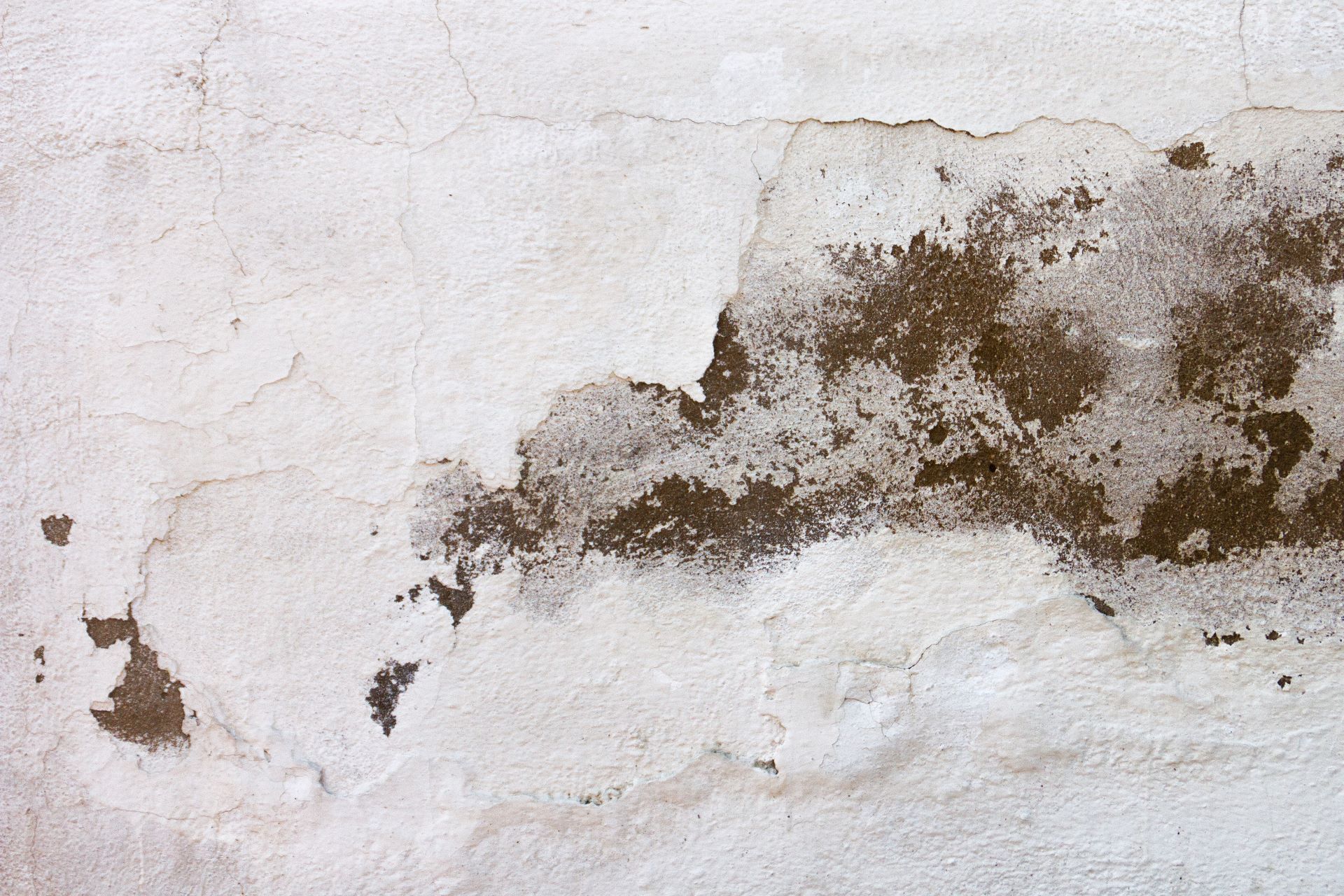
Preventing Ceiling Mould in Humid Durban Homes
##Understanding Why Ceiling Mould Thrives in Durban
Durban’s climate is both a blessing and a structural test. Warm temperatures, high humidity, and summer rainfall create conditions that are ideal for mould growth, especially on ceilings. While many homeowners assume mould is simply a surface issue caused by poor cleaning, the real culprit is usually moisture trapped in stagnant air.
In coastal suburbs such as Umhlanga, Bluff and Amanzimtoti, moisture levels remain high for much of the year. When warm indoor air rises and meets a cooler ceiling surface, condensation forms. Over time, this repeated cycle of condensation creates damp patches within ceiling boards and insulation layers. Mould spores, always present in the air, settle in these damp areas and begin to colonise.
Preventing ceiling mould in Durban requires understanding that it is not just a cosmetic nuisance. It is a building science problem rooted in airflow, insulation performance and roof integrity.
##The Science of Condensation on Ceilings
Air contains water vapour. Warm air holds more moisture than cool air. When humid indoor air rises and encounters a cooler ceiling surface, its temperature drops. Once it reaches its dew point, the water vapour condenses into liquid droplets.
In many Durban homes, particularly those with metal roofing, ceilings can cool significantly at night after a hot day. This temperature difference accelerates condensation. In properties without adequate insulation, the ceiling boards are directly influenced by roof temperature changes, increasing the likelihood of moisture formation.
Bathrooms and kitchens intensify the problem. Steam from showers and cooking rises and accumulates beneath ceilings. If ventilation is poor, the moisture lingers. Over weeks and months, even small amounts of repeated condensation can saturate gypsum boards and timber battens.
Understanding this process is critical. Mould prevention is not about occasional cleaning. It is about controlling temperature differentials and air movement.
##Durban’s Coastal Humidity and Its Impact on Buildings
Durban’s proximity to the Indian Ocean means high relative humidity is a near constant feature. Even during winter, humidity levels remain elevated compared to inland cities such as Johannesburg. Salt-laden air compounds the issue, contributing to corrosion of roof components and fasteners, which can later result in leaks.
Many homes built in the 1980s and 1990s were constructed with minimal ceiling insulation. At the time, energy efficiency was not a primary concern in KwaZulu-Natal. Today, these older properties are particularly vulnerable to condensation problems.
Newer developments in areas such as uMhlanga Ridge often include better insulation standards, yet mould issues still arise when ventilation is neglected. Mechanical systems are sometimes underutilised, and windows remain closed for security reasons, limiting natural airflow.
The Durban climate cannot be changed. Construction detailing and maintenance practices, however, can be improved significantly.
##Insulation as the First Line of Defence
Proper ceiling insulation is one of the most effective tools for preventing condensation. Insulation reduces the temperature difference between the roof cavity and the interior space below. By stabilising ceiling surface temperatures, it lowers the risk of dew point conditions forming.
In Durban’s humid environment, insulation should not only meet minimum thickness requirements but also be correctly installed. Gaps, compression or poorly fitted sections reduce performance. Even small uninsulated areas can become cold spots where condensation develops.
Bulk insulation products, such as glass fibre or polyester batts, are common in South African homes. The key is ensuring consistent coverage across the entire ceiling area. Around downlights and service penetrations, insulation is often cut back or missing entirely. These gaps create localised temperature variations that encourage moisture formation.
Reflective foil underlays installed beneath roof sheeting can further assist by limiting radiant heat transfer. When combined with bulk insulation, they create a more stable internal environment.
Insulation must remain dry to function effectively. If it becomes damp due to roof leaks or persistent condensation, its thermal performance drops. Routine inspections in the roof cavity are therefore essential.
##Ventilation: Moving Moist Air Out
Air that does not move becomes problematic in humid climates. Effective ventilation removes moist air before it condenses on cooler surfaces.
In Durban homes, natural ventilation can be enhanced through roof vents, ridge vents and gable vents. These allow hot, humid air to escape from the roof cavity. Without them, moisture accumulates above ceiling boards, creating ideal mould conditions.
Bathrooms require special attention. Extractor fans should vent directly to the outside, not into the roof cavity. Discharging moist air into the roof space simply relocates the problem. Over time, this practice leads to widespread mould growth on rafters and insulation.
Kitchen extractor hoods must also vent externally where possible. Recirculating systems are less effective in humid coastal conditions because they do not remove moisture from the building envelope.
Cross ventilation inside living spaces is equally important. Even brief daily window opening can significantly reduce indoor humidity. In high security estates where windows remain closed, mechanical ventilation solutions may be necessary.
Ventilation is not about creating drafts. It is about controlled air exchange that prevents moisture accumulation.
##Roof Leak Detection and Maintenance
Not all ceiling mould originates from condensation. Roof leaks are a common and often overlooked contributor. In Durban’s heavy summer rains, minor defects in flashing, cracked tiles or corroded screws can allow water ingress.
Metal roofs are particularly susceptible to fastener deterioration due to salt exposure. The rubber washers beneath roofing screws can perish, allowing water to seep through during storms. Over time, this moisture travels along battens and drips onto ceiling boards.
Tile roofs present their own risks. Dislodged or cracked tiles, especially after strong coastal winds, create entry points for rainwater. Flashing around chimneys and valleys must be inspected regularly.
Ceiling stains are often the first visible sign of a leak. However, by the time staining appears, moisture damage has already progressed. Regular roof inspections before and after the rainy season are crucial in Durban.
Maintenance should include checking:
• Flashing integrity around roof penetrations • Condition of roofing screws and washers • Tile alignment and breakage • Blocked gutters that cause water backflow
Preventative roof care is significantly more cost effective than repairing mould-infested ceilings and replacing damaged insulation.
##Managing Moisture from Bathrooms and Kitchens
Internal moisture generation plays a major role in ceiling mould formation. Showers, baths and cooking release large volumes of water vapour into the air. In humid climates, this additional moisture easily tips indoor air past saturation point.
Bathroom ceilings frequently show mould spots because steam rises directly toward them. Installing high quality extractor fans with adequate airflow ratings is essential. Timers or humidity sensors can ensure fans continue operating after showers are finished.
Ceiling boards in bathrooms should be moisture resistant where possible. Standard gypsum boards absorb moisture readily. In high humidity areas, water resistant variants offer improved durability.
Kitchens should be designed with effective extraction pathways. Open plan homes common in modern Durban developments can trap cooking vapour if airflow is insufficient. Ensuring consistent ventilation in these spaces prevents moisture migration toward ceilings.
Good household habits also matter. Allowing steam to escape promptly and avoiding prolonged moisture build up significantly reduces mould risk.
##The Role of Ceiling Materials and Finishes
Material selection influences mould resistance. Standard gypsum ceiling boards are porous and can support mould growth when damp. Fibre cement boards offer improved moisture tolerance but must still be protected from persistent wetting.
Paint systems are another critical factor. Anti mould or anti fungal ceiling paints create a surface less hospitable to spore development. However, paint alone cannot solve underlying moisture problems. It is a finishing layer, not a moisture barrier.
Regular repainting in humid areas like Durban helps maintain protective coatings. Once paint begins to flake or blister due to moisture exposure, it loses effectiveness.
Timber ceiling components must also be considered. Untreated timber battens in roof cavities can harbour mould if ventilation is inadequate. Ensuring roof spaces remain dry and well ventilated protects structural elements as well as ceiling finishes.
##Routine Inspection and Early Intervention
Preventing ceiling mould is an ongoing process rather than a one time fix. Durban’s climate demands consistent vigilance.
Homeowners and property managers should inspect ceilings for early signs of trouble. Discolouration, musty odours and minor spotting indicate moisture presence. Addressing these signs immediately prevents more extensive damage.
Roof cavities should be inspected at least annually. Checking insulation condition, ventilation openings and signs of water intrusion allows for early correction.
In multi unit developments and commercial buildings, maintenance schedules should include roof and ceiling checks before the summer rainfall season.
Proactive inspection reduces repair costs and protects indoor air quality.
##Protecting Indoor Air Quality in Coastal Homes
Mould spores affect more than building materials. They can impact occupant health, particularly for individuals with respiratory sensitivities. In humid regions like Durban, maintaining indoor air quality is part of responsible property management.
Effective insulation, proper ventilation and reliable roofing systems work together to create a stable indoor environment. When these components function correctly, condensation is minimised and mould growth is discouraged.
Ceiling mould prevention is not merely about aesthetics. It reflects the overall performance of a building envelope in a demanding coastal climate.
##Conclusion: Building Smarter for Durban’s Climate
Durban’s humidity is constant, but ceiling mould does not have to be. By understanding the mechanics of condensation and addressing insulation gaps, ventilation shortcomings and roof maintenance needs, homeowners can significantly reduce the risk.
Construction and building maintenance practices in KwaZulu-Natal must respond directly to environmental realities. Insulation should be comprehensive. Ventilation must be deliberate. Roof systems require routine attention.
When these elements align, ceilings remain dry, indoor air stays healthier, and buildings perform as intended despite the coastal climate. Preventing mould is ultimately about respecting Durban’s environment and building accordingly.