
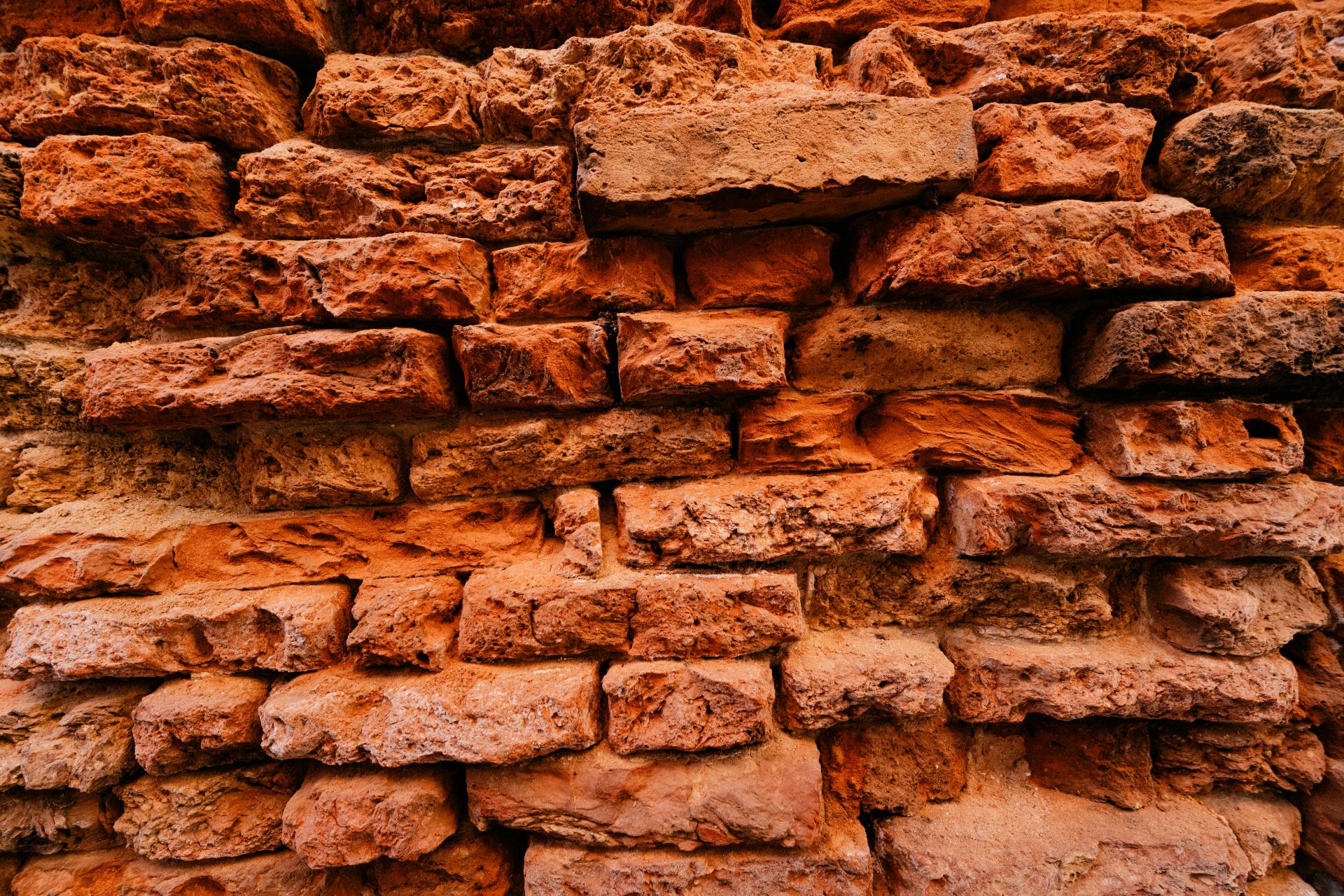
Masonry Decay in Coastal South Africa Explained
Masonry Degradation in Coastal South Africa Explained
Along South Africa’s extensive coastline, buildings stand in a constant dialogue with the ocean. It is a relationship that looks scenic from a distance, yet becomes relentlessly punishing at material level. Masonry structures, especially brick and mortar systems, endure a slow, persistent breakdown driven by salt-laden air, humidity cycles, and wind-driven moisture.
In regions such as Durban, Port Elizabeth, Cape Town’s coastal belt, and smaller seaside towns, this environmental exposure is not a seasonal inconvenience. It is a structural condition that shapes the entire lifespan of buildings.
Understanding how and why masonry degrades in these zones is essential for engineers, contractors, and maintenance planners working in South Africa’s coastal infrastructure landscape.
The Coastal Environment as a Structural Stressor
Coastal environments introduce a unique combination of stressors that act simultaneously on masonry systems. Unlike inland degradation, which is often slower and primarily moisture-driven, coastal decay is chemically and physically aggressive.
Salt aerosols carried by wind settle on building surfaces. Humidity keeps those salts active. Temperature variation drives expansion and contraction cycles. Together, these forces create a continuous cycle of absorption and crystallisation within porous materials.
Brick, mortar, plaster, and concrete are all vulnerable to this cycle, but masonry joints tend to suffer first. They act as the weakest point in the system, absorbing moisture and salts more readily than fired clay units.
Over time, this leads to a pattern of surface breakdown that eventually penetrates deeper structural layers.
Salt Intrusion and Crystallisation Pressure
Salt is the primary driver of masonry decay in coastal South Africa. It enters materials in dissolved form through moisture absorption, often carried by sea spray or airborne particles. Once inside the masonry matrix, the water evaporates, but the salt remains.
As humidity fluctuates, salts repeatedly dissolve and recrystallise. This cycle generates crystallisation pressure within pores and capillaries of the material. That pressure expands micro-cracks, weakens bonds, and gradually disintegrates the internal structure.
This process is particularly severe in porous brick types and older lime-based mortars commonly found in heritage buildings and older coastal developments.
What makes salt damage especially insidious is its slow visibility. Early-stage deterioration often appears as superficial staining or powdery deposits. By the time flaking or spalling becomes visible, internal damage is already well established.
Humidity Cycles and Moisture Retention
Humidity is the silent partner in coastal masonry degradation. Without it, salt would have limited mobility within materials. With it, decay becomes continuous.
In coastal South Africa, relative humidity often remains high for extended periods. This prevents full drying of masonry surfaces, meaning moisture remains trapped in pores for longer durations. That trapped moisture becomes a transport medium for salts and pollutants.
Repeated wetting and drying cycles place mechanical stress on masonry units. Each cycle slightly expands and contracts the material structure. Over time, this micro-movement leads to fatigue in the mortar joints and surface layers.
In buildings with poor ventilation or shaded façades, the problem intensifies. North-facing walls in certain regions may dry faster, while south-facing or wind-protected surfaces remain damp for extended periods, accelerating uneven decay patterns.
Wind-Driven Moisture and Marine Aerosols
Wind plays a critical role in transporting salt inland. Coastal winds carry fine droplets of seawater that settle on façades, roofs, and exposed masonry surfaces. This process, known as salt deposition, is one of the most aggressive forms of environmental exposure.
Unlike rainfall, which can wash away surface contaminants, wind-driven moisture often deposits concentrated salts without providing adequate rinsing. This leads to accumulation over time.
Buildings closer to the shoreline experience higher deposition rates, but even inland structures within coastal wind corridors can be affected. In South African coastal cities, prevailing wind directions often extend salt exposure several kilometres inland.
This means masonry degradation is not limited to beachfront properties. It becomes a regional maintenance concern.
Material Vulnerability in South African Masonry Systems
Not all masonry responds to coastal exposure in the same way. Material composition, density, and construction quality significantly influence durability.
Clay bricks with high porosity tend to absorb more moisture and salt, increasing internal crystallisation risks. Cement-rich mortars, while stronger initially, can suffer from micro-cracking that allows deeper ingress of salts.
Older buildings using lime mortar systems often show different decay patterns. Lime is more breathable, allowing moisture to evaporate more easily, but it is also softer and more susceptible to erosion under repeated exposure.
In modern construction, dense concrete blocks offer improved resistance but are not immune. Without proper sealing or protective coatings, even dense masonry will eventually allow moisture ingress through joints and micro-defects.
Construction quality is equally important. Poorly mixed mortar, inconsistent joint thickness, and inadequate curing all increase vulnerability to environmental stress.
Plaster and Render Failure in Coastal Conditions
External plaster and render systems often serve as the first protective barrier against environmental exposure. In coastal environments, they are also among the first components to fail.
Salt migration from underlying masonry pushes outward toward the surface. As it crystallises beneath plaster layers, it creates blistering and delamination. This results in hollow-sounding areas, surface cracking, and eventual detachment.
Humidity accelerates this process by maintaining moisture within the wall assembly. Once plaster integrity is compromised, water ingress increases dramatically, exposing deeper structural layers.
A common maintenance issue in South African coastal buildings is cyclical re-plastering without addressing underlying salt contamination. This leads to repeated failure, where new plaster layers deteriorate faster than expected.
Efflorescence as an Early Warning System
Efflorescence, the white crystalline deposit seen on masonry surfaces, is often dismissed as cosmetic. In reality, it is one of the earliest indicators of salt movement within a structure.
It occurs when water dissolves soluble salts inside masonry and transports them to the surface. As water evaporates, salt is left behind in visible deposits.
While efflorescence itself is not structurally damaging, it signals active moisture movement through the material. In coastal environments, this should be treated as a diagnostic warning rather than a visual nuisance.
Persistent efflorescence often indicates deeper issues such as:
- Continuous moisture ingress
- Inadequate waterproofing
- Saturated wall cores
- Failing joints or cracks
Addressing the symptom without investigating the source often leads to recurring deterioration.
Structural Impacts Over Time
Although masonry degradation begins at a surface level, prolonged exposure leads to structural implications. Mortar joint erosion reduces load distribution capacity between units. Brick face spalling reduces effective cross-sectional strength.
In extreme cases, sustained moisture and salt exposure can lead to instability in load-bearing walls, particularly in older buildings where reinforcement is minimal or absent.
Structural movement may also increase as materials lose cohesion. This can manifest as cracking around openings, misaligned lintels, and uneven settlement patterns in severe cases.
While catastrophic failure is rare in well-constructed modern buildings, progressive weakening increases maintenance demands and reduces service life significantly.
Coastal Exposure Zones in South Africa
South Africa’s coastline presents varying levels of exposure intensity depending on geography, wind patterns, and humidity levels.
KwaZulu-Natal’s coastline, particularly around Durban, experiences high humidity and warm temperatures, creating ideal conditions for continuous salt activity. This results in rapid material cycling and persistent dampness.
The Western Cape, including Cape Town’s coastal suburbs, experiences strong wind-driven exposure. Here, salt deposition is often more intense due to prevailing south-easterly winds, even though temperatures are generally lower.
The Eastern Cape presents mixed conditions, with varying humidity and wind exposure depending on locality. Buildings in exposed coastal towns often experience accelerated façade erosion compared to sheltered inland areas.
Understanding these regional differences is critical for selecting materials and designing maintenance schedules.
Design and Construction Strategies for Resistance
Mitigating masonry degradation begins at the design stage. Material selection, wall detailing, and protective systems all contribute to long-term performance.
Dense, low-porosity materials reduce salt ingress. Properly specified mortar mixes improve bonding and reduce micro-cracking. Controlled curing conditions ensure structural integrity from the outset.
Protective design strategies often include:
- Deep roof overhangs to reduce direct exposure
- Proper damp-proof courses to interrupt moisture rise
- Breathable protective coatings that allow vapour release
- Strategic orientation of façades away from prevailing winds
These measures do not eliminate exposure but significantly reduce its intensity.
Protective Coatings and Surface Treatments
Surface treatments play an important role in extending masonry lifespan in coastal environments. However, their effectiveness depends on correct application and maintenance cycles.
Silane and siloxane-based water repellents are commonly used due to their ability to reduce water absorption while maintaining vapour permeability. This balance is crucial, as fully sealing masonry can trap moisture internally and worsen salt damage.
Paint systems, while visually effective, require careful specification. Non-breathable coatings can lead to blistering and internal decay if moisture becomes trapped beneath the surface layer.
Regular reapplication is necessary, particularly in high-exposure zones. Maintenance intervals are often shorter in coastal regions compared to inland environments.
Maintenance Planning in Coastal Environments
Maintenance strategies in coastal South Africa must be proactive rather than reactive. Once visible deterioration appears, internal damage is often already advanced.
Routine inspection should focus on early indicators such as joint erosion, surface staining, and hairline cracking. Moisture mapping and non-destructive testing can provide deeper insight into internal conditions.
A structured maintenance approach typically includes:
- Scheduled façade inspections
- Early-stage efflorescence monitoring
- Joint repointing before major loss occurs
- Controlled cleaning methods that avoid surface damage
Cleaning itself must be approached carefully. High-pressure washing can force water deeper into masonry, exacerbating salt transport.
Economic Implications of Coastal Masonry Decay
The financial impact of masonry degradation in coastal regions extends beyond repair costs. Reduced building lifespan, increased maintenance frequency, and energy inefficiency due to moisture retention all contribute to long-term expenditure.
Buildings that are not designed or maintained for coastal exposure often require premature refurbishment cycles. This places additional strain on property owners, facility managers, and municipal infrastructure budgets.
Preventative maintenance, while requiring upfront investment, consistently proves more cost-effective over the lifecycle of a structure.
Material Innovation and Future Directions
Advancements in masonry materials and protective technologies are gradually improving resilience in coastal environments. Modified mortars with enhanced salt resistance, advanced sealants, and hybrid construction systems are becoming more widely used in South Africa.
Research into nano-coatings and breathable hydrophobic treatments continues to evolve, offering potential for improved long-term protection without compromising material breathability.
However, even with technological progress, environmental exposure remains unavoidable. The key lies in adapting construction practices to environmental reality rather than resisting it.
Building with the Ocean in Mind
Masonry degradation in coastal South Africa is not an isolated defect issue. It is a systemic environmental interaction between material science and marine climate.
Salt, humidity, and wind form a persistent cycle of intrusion and decay that gradually reshapes building surfaces and structural integrity. Understanding this process allows for smarter design, better maintenance planning, and more resilient construction practices.
Ultimately, coastal durability is not achieved by resisting the ocean, but by designing in conversation with it.