
Guarding Against Roof Leaks During Durban’s Stormy Summers
Protecting Roofs from Durban’s Seasonal Rainfall
The summer storm season in Durban arrives with a rhythm that locals know well. Afternoon heat gathers moisture in the air like a silent promise, followed by thunder that rolls across the coastal skyline before releasing torrents of rain. For buildings across the city, this seasonal surge of precipitation is more than a weather event. It is a structural stress test conducted by nature itself.
Roofs carry the invisible responsibility of shielding homes, businesses, and infrastructure from that pressure. When heavy rain strikes, even small vulnerabilities can grow into persistent leaks. What begins as a faint damp patch on a ceiling can slowly transform into timber decay, electrical hazards, and expensive structural damage if ignored.
Durban’s coastal climate intensifies maintenance challenges because moisture does not simply fall from the sky. It lingers in warm air, seeps into micro-cracks, and feeds corrosion processes in metal roofing components. Preventative inspection routines therefore become less about repair and more about protection. Maintenance should be treated as a living schedule rather than a reaction to failure.
Understanding how water behaves during storm events is the first step in preventing roof leaks. Rain rarely enters a building through a single dramatic breach. Instead, it travels patiently through capillary pathways, sliding under lifted flashing, pooling in depressions, or moving along poorly sealed joints. Prevention must therefore focus on identifying those pathways before storm clouds gather over the Indian Ocean.
Why Heavy Rain Reveals Hidden Roofing Weaknesses
Storm rainfall is not simply stronger rain. It carries pressure dynamics that normal drizzle does not produce.
When wind accompanies rainfall, droplets strike roofing surfaces at oblique angles, pushing water sideways across tiles and sheets. This movement increases the probability of water penetrating small structural openings.
Roofing systems that appear intact during dry weather can behave differently under storm load. Sealants may contract during cool nights and expand under daytime heat, creating invisible stress lines along edges and joints.
Coastal humidity also accelerates degradation of protective coatings. Metal roofing in particular may develop early-stage oxidation long before structural weakness becomes visible.
Preventative inspection routines aim to intercept these processes during their infancy. The objective is not to wait for a leak but to read the language of wear before it becomes audible through dripping water.
Property owners often underestimate how subtle early warning signs can be. Discoloration on interior ceilings, faint musty smells, or minor paint blistering can all suggest water migration behind surface layers.
In commercial buildings, storm season damage is especially costly because water intrusion may affect electrical installations, insulation materials, and inventory storage areas. Retail, hospitality, and office environments cannot afford prolonged downtime caused by emergency roof repairs.
Creating a Seasonal Roof Inspection Schedule
Roof maintenance should follow a predictable rhythm that aligns with Durban’s weather cycles.
Inspection routines are most effective when performed three times annually: before the storm season, during peak rainfall months, and after the heaviest rains have passed.
Pre-season inspections focus on prevention. Technicians should examine external roofing surfaces, gutter systems, and structural joints. Any weakness identified during this stage should be repaired immediately rather than monitored passively.
Mid-season inspections are more observational. The purpose is to confirm that drainage systems are functioning under real rain conditions. These inspections often occur after major storm events when water flow patterns can be studied.
Post-season inspections aim to measure cumulative wear. Even if no visible leaks occurred, moisture exposure may have weakened sealants or created corrosion seeds.
During inspections, attention should be given to the building’s highest pressure zones. These include roof edges, valley intersections, and areas surrounding rooftop equipment installations.
Building managers sometimes underestimate the importance of timing. Inspecting a roof on a dry winter afternoon does not provide the same diagnostic value as checking it shortly after heavy rainfall. Moisture traces are easier to detect when surfaces are still carrying residual humidity.
Professional inspection teams often use moisture detection tools rather than relying solely on visual examination. These instruments can reveal trapped water inside layered materials that appear perfectly dry externally.
Understanding Roof Material Behaviour in Coastal Conditions
Durban’s coastal environment interacts differently with various roofing materials.
Asphalt-based waterproof membranes respond well to rainfall protection but require careful attention to joint integrity. Over time, UV radiation combined with heat cycles can cause membrane brittleness, especially along edges.
Metal roofing remains popular for commercial and residential structures because of its durability and lightweight properties. However, metal panels are vulnerable to fastener fatigue and sealant shrinkage.
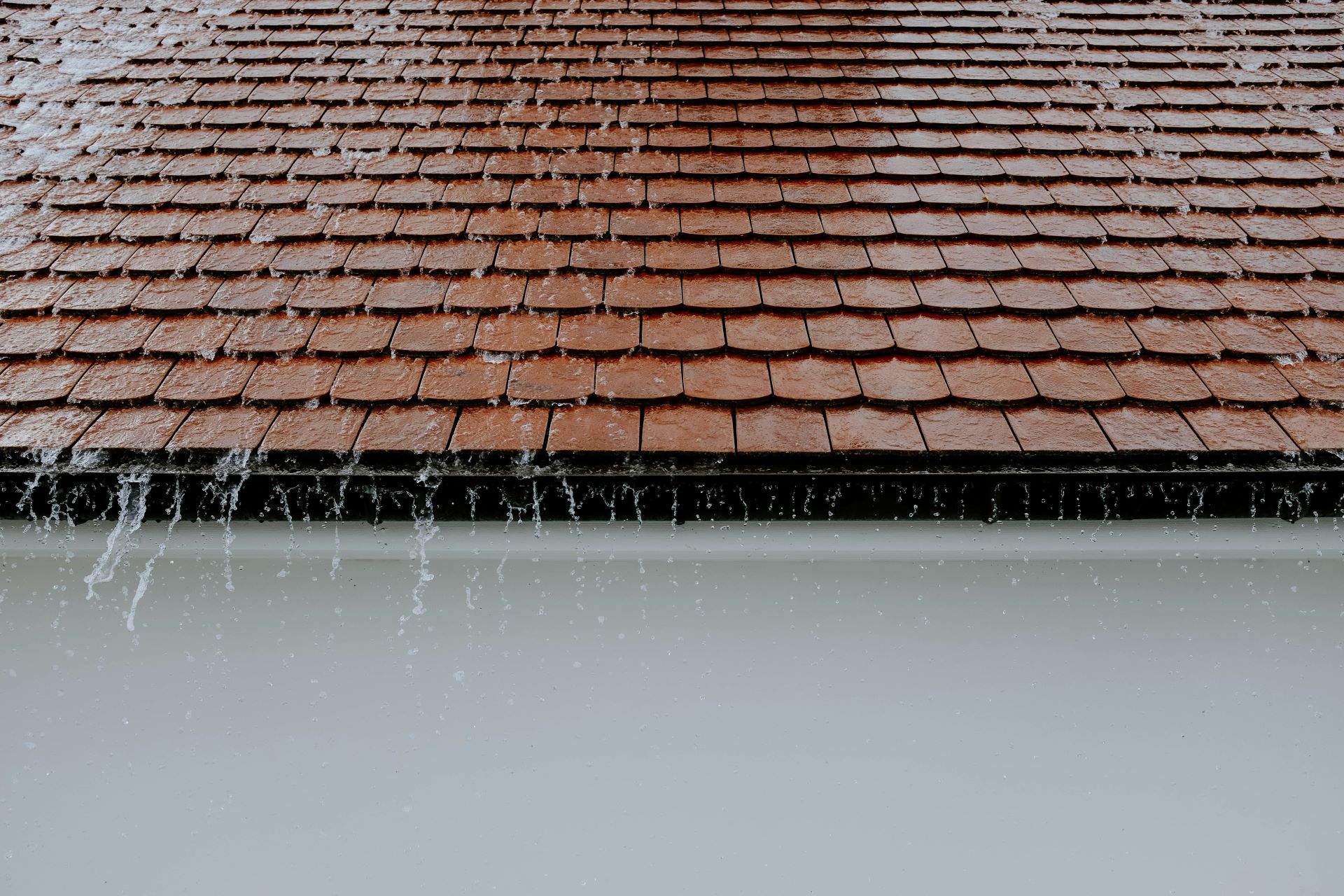
Tile roofing systems provide excellent rain shedding characteristics, yet individual tiles can shift due to wind uplift forces during storms. A displaced tile may not immediately produce a visible leak, but it creates a water entry channel during prolonged rainfall.
Flat roof systems, often used in modern commercial architecture, demand meticulous drainage design. Ponding water is the greatest threat to flat roofs because standing moisture accelerates material breakdown and encourages biological growth.
Maintenance planning must therefore consider material behaviour rather than applying a generic inspection model across different roofing types.
Building owners should keep documentation records detailing roofing material specifications, installation dates, and previous repair work. These records help maintenance teams predict failure zones based on ageing patterns.
The Critical Role of Gutter and Drainage Systems
Water does not damage roofs only by falling onto them. It also damages structures by failing to leave them.
Gutters and downpipes are the building’s vascular system during rainfall events. When these channels are blocked, water accumulates on roof surfaces and begins searching for alternative escape routes.
In Durban’s storm season, leaf debris, wind-blown dust, and organic matter can quickly clog drainage components. Coastal vegetation contributes to this problem because seasonal winds carry plant fragments across residential zones.
Gutter inspection should include removal of accumulated material followed by flow testing using controlled water release. Technicians sometimes simulate rainfall flow by gently introducing water at the highest gutter point and observing discharge speed.
Signs of gutter failure include water spilling over gutter edges, damp exterior walls below drainage lines, and rust staining along metal channel joints.
Downpipes deserve equal attention. Internal blockages are difficult to detect without testing, yet they can create internal pressure build-up that forces water backwards under roofing panels.
Installing protective leaf guards can reduce maintenance frequency, though they do not eliminate the need for regular cleaning.
Flashing, Seals, and Joint Vulnerabilities
Roof flashing is the most common entry point for storm-driven water intrusion.
Flashing is installed around chimneys, ventilation outlets, skylights, and rooftop mechanical installations. Its purpose is to redirect water away from openings.
However, flashing systems rely heavily on sealant quality. Coastal heat and salt-laden air gradually degrade adhesive compounds used in sealing joints.
During inspection routines, maintenance teams should gently test flashing edges for movement. Any section that lifts even slightly under manual pressure may require resealing.
Sealant selection matters more than many building owners realise. Products designed for inland climates may fail prematurely when exposed to coastal humidity cycles.
Modern elastomeric sealants offer better flexibility because they can expand and contract with temperature fluctuations. But even high-quality sealants have finite service lifespans and must be replaced periodically.
Property managers should track sealant application dates just as they track structural servicing intervals.
Internal Ceiling Monitoring as Early Leak Detection
Roof maintenance is not restricted to exterior surfaces.
Interior ceilings act as silent diagnostic canvases reflecting the building’s structural health. Water migration often manifests as faint circular stains that slowly enlarge after each rainfall event.
Fresh paint layers are sometimes used to conceal previous water marks. While this may improve visual appearance, it removes valuable historical evidence of moisture movement.
Inspection of ceiling voids, especially in commercial buildings with suspended ceiling systems, is essential.
Maintenance teams should check insulation materials for dampness because wet insulation loses thermal efficiency and may encourage mould formation.
Electrical fittings located beneath roofing structures require additional attention. Water penetration near wiring systems creates safety hazards that extend beyond structural damage.
The Impact of Wind Forces During Storm Events
Rain rarely travels alone during Durban’s summer storms. Coastal winds frequently accompany rainfall, altering water movement across roofing surfaces.
Wind pressure can push water uphill temporarily, especially on low-slope roofs. This phenomenon allows moisture to penetrate beneath overlapping roof layers.
Buildings located near open coastal spaces are more exposed to wind-driven rain than structures shielded by surrounding developments.
Roof fastening systems must therefore be evaluated not only for corrosion but also for mechanical strength.
Loose screws, aged washers, and worn anchor points are common failure sources during high wind rainfall combinations.
Structural engineers often recommend periodic torque testing of exposed fasteners in wind-prone regions.
Professional Inspection Versus DIY Maintenance
Homeowners sometimes attempt roof inspections themselves, but professional assessment provides deeper diagnostic insight.
Roof surfaces can be deceptively complex. What appears as a simple crack may actually represent stress propagation through multiple layers of waterproofing material.
Professional teams bring equipment capable of detecting hidden moisture accumulation and structural deformation.
DIY maintenance can still play a role when focused on visible debris removal and basic gutter cleaning. Property owners should wear appropriate safety gear when accessing elevated surfaces.
Walking directly on tiled or metal roofing surfaces is discouraged because weight concentration can create new damage points.
The Economics of Preventative Maintenance
Preventative maintenance is less expensive than emergency repair response.
Storm damage repair often involves additional costs beyond material replacement. These may include interior restoration, electrical safety inspections, and temporary accommodation expenses if the building becomes uninhabitable.
Commercial property owners benefit from maintenance contracts that spread servicing costs across the year rather than absorbing sudden repair shocks.
Insurance claims related to storm damage can also become complicated when neglect is suspected. Regular inspection records serve as evidence of responsible property management.
In the long term, preventative roof maintenance preserves asset value and extends building lifespan.
Preparing for the Next Storm Season
Durban’s climate will continue delivering intense summer rainfall cycles. Buildings that survive these cycles successfully are rarely the strongest structures. Instead, they are the most carefully observed ones.
Preventing roof leaks is less about heroic repair actions during emergencies and more about patient vigilance during quiet weather days.
Maintenance teams should treat every dry afternoon as an opportunity to prepare for the next storm. Check the gutters, examine the flashing lines, inspect the ceiling surfaces, and ensure drainage channels remain open.
Storms are inevitable visitors along the coast. But water intrusion is not.
With disciplined inspection routines, sound material selection, and professional maintenance partnerships, buildings across Durban can face the rainy season with roofs that stand steady like patient coastal guardians against the sky.
Conclusion
Preventing roof leaks during Durban’s storm season is fundamentally about anticipation. Heavy rainfall does not create roofing weaknesses but reveals the ones that were already there.
Through seasonal inspection scheduling, drainage maintenance, sealant management, and structural monitoring, property owners can dramatically reduce storm-related damage.
A roof that is cared for before the rain begins will always offer better protection than one repaired in the middle of a thunderous downpour. The ocean winds may carry moisture toward the city, but thoughtful maintenance keeps it safely outside the walls where it belongs.