Effective Body Corporate Maintenance in Durban Buildings
Managing shared buildings in Durban requires a delicate balance between practical upkeep and financial planning. Body corporates are entrusted with not only preserving the structural integrity of a property but also ensuring that residents enjoy a safe, functional, and aesthetically pleasing environment. Coordination between all stakeholders, including building managers, residents, and service providers, is critical to prevent minor issues from becoming costly emergencies. Effective planning begins with a clear understanding of a building’s specific maintenance requirements and the local climate’s impact, particularly in coastal areas where humidity and salt-laden air accelerate wear and tear on structures.
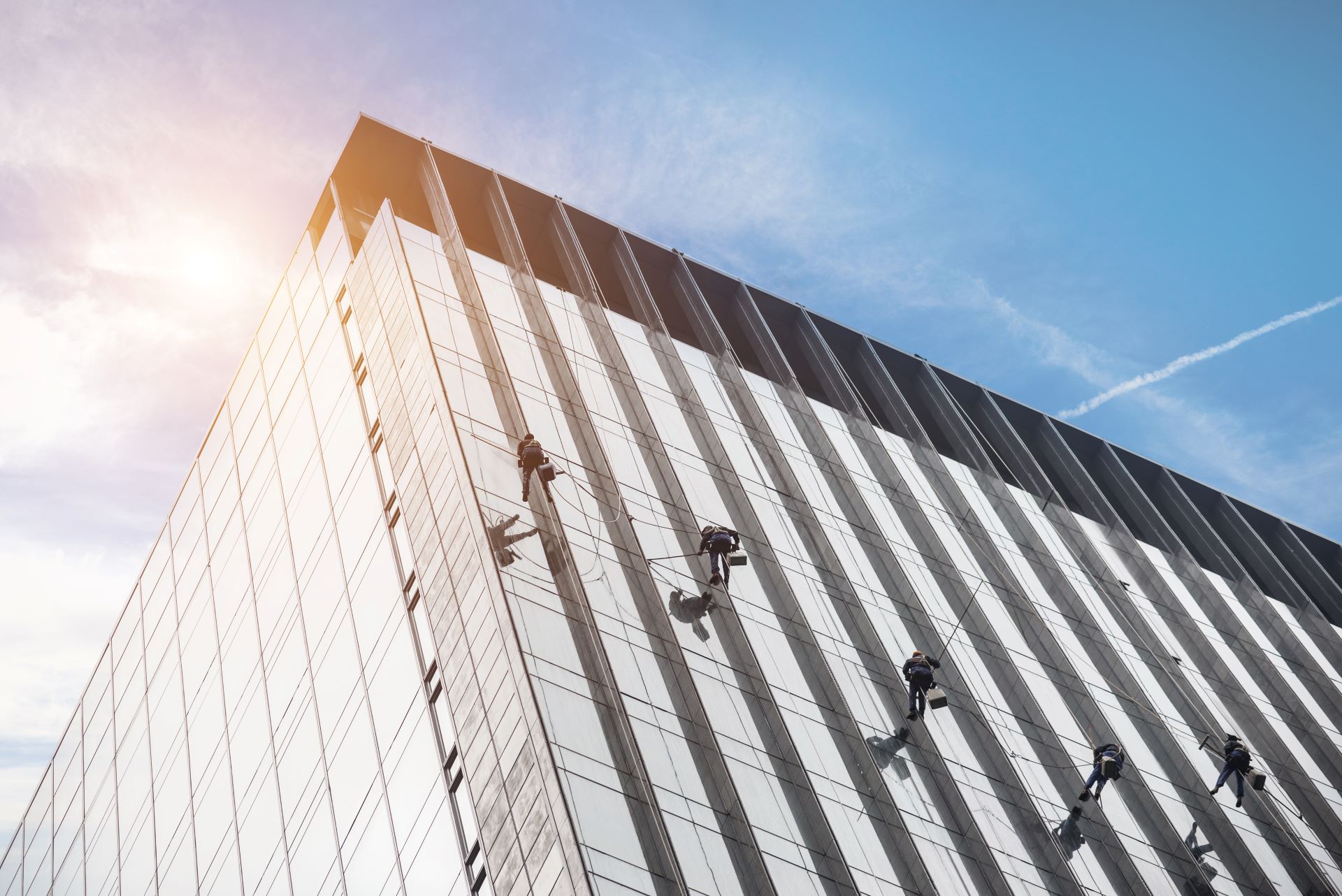
A well-maintained building enhances property value, fosters community satisfaction, and reduces long-term costs. In Durban, the combination of coastal exposure and high rainfall means that even routine tasks like roof inspections, façade cleaning, and lift servicing need to be approached with careful scheduling and professional oversight. Recognising the potential for corrosion, water ingress, and pest-related damage early allows the body corporate to act decisively, rather than reacting to emergencies.
Budgeting for Long-Term Maintenance
Financial planning is the backbone of successful body corporate management. A comprehensive maintenance budget must account for immediate operational costs, periodic servicing, and long-term capital projects. Accurate forecasting begins with a detailed asset register, listing all critical building components from plumbing and electrical systems to structural elements and communal amenities. Each item should have a lifecycle estimate, allowing the body corporate to anticipate replacement or refurbishment costs well in advance. This approach prevents sudden budget shortfalls and ensures that funds are available for essential works without imposing unexpected levies on residents.
Engaging qualified contractors for inspections and cost estimates is an essential step in this process. Professional assessments of roof conditions, lift systems, and communal spaces provide a realistic picture of financial requirements. Durban’s coastal conditions demand additional consideration for protective coatings, anti-corrosion measures, and waterproofing, which should be factored into the annual maintenance plan. Incorporating contingency funds for unforeseen events such as storm damage or urgent repairs is also crucial to safeguard the building and its occupants.
Planning Maintenance Cycles
Effective maintenance planning involves creating structured cycles for different building elements. Routine tasks like cleaning communal areas, servicing fire safety systems, and checking HVAC units should occur at predictable intervals to prevent system failures. Seasonal considerations are particularly important in Durban, where the rainy season can exacerbate roof leaks and drainage issues. Establishing a clear calendar of inspections, servicing, and refurbishments helps distribute costs over time and avoids the temptation to defer critical work due to budget constraints.
Longer-term projects, such as roof replacements, façade restorations, or lift overhauls, require early planning and tender processes. Engaging multiple service providers and evaluating proposals ensures competitive pricing and quality workmanship. A phased approach can spread large expenditures across several financial years, easing the impact on residents’ levies while ensuring compliance with safety regulations and building standards.
Coordinating Stakeholders
Maintenance of a shared building is inherently collaborative. Residents, body corporate committees, building managers, and contractors must communicate effectively to align expectations and responsibilities. Regular meetings and transparent reporting create trust and accountability, ensuring that everyone understands the rationale behind proposed works and associated costs. Clear communication channels also facilitate prompt reporting of maintenance issues, allowing minor faults to be addressed before escalating into expensive repairs.
In Durban’s coastal buildings, external contractors must also navigate environmental challenges, such as high winds or rain, which can delay works. Coordinating with suppliers for materials suited to the local climate, scheduling works during favorable weather periods, and adhering to municipal regulations ensures that projects run smoothly and on schedule.
Sustainability and Future-Proofing
Modern body corporate maintenance strategies increasingly consider sustainability and long-term efficiency. Implementing energy-efficient lighting, water-saving fixtures, and environmentally friendly building materials reduces operational costs and contributes to environmental responsibility. In Durban, where tropical weather can impact energy and water usage patterns, investing in solar water heating systems or energy-efficient air conditioning units can yield significant savings over time. Regular maintenance of these systems ensures optimal performance and prevents costly breakdowns.
Future-proofing also means documenting maintenance history, maintaining a digital asset register, and scheduling preventive measures. A proactive approach to repairs and refurbishment, rather than reactive patchwork, strengthens building resilience and preserves property values. For coastal buildings, extra care in protecting structural steel, concrete facades, and wooden elements ensures longevity despite the corrosive effects of sea spray and high humidity.
Body corporate maintenance in Durban is a complex but manageable responsibility when approached with strategic budgeting, meticulous planning, and clear communication. Understanding the unique challenges posed by coastal climates, coordinating stakeholders effectively, and investing in preventive measures ensures that shared buildings remain safe, functional, and visually appealing. By adopting a disciplined approach to maintenance cycles, financial planning, and sustainability, Durban body corporates can safeguard their properties, enhance resident satisfaction, and secure long-term value.