
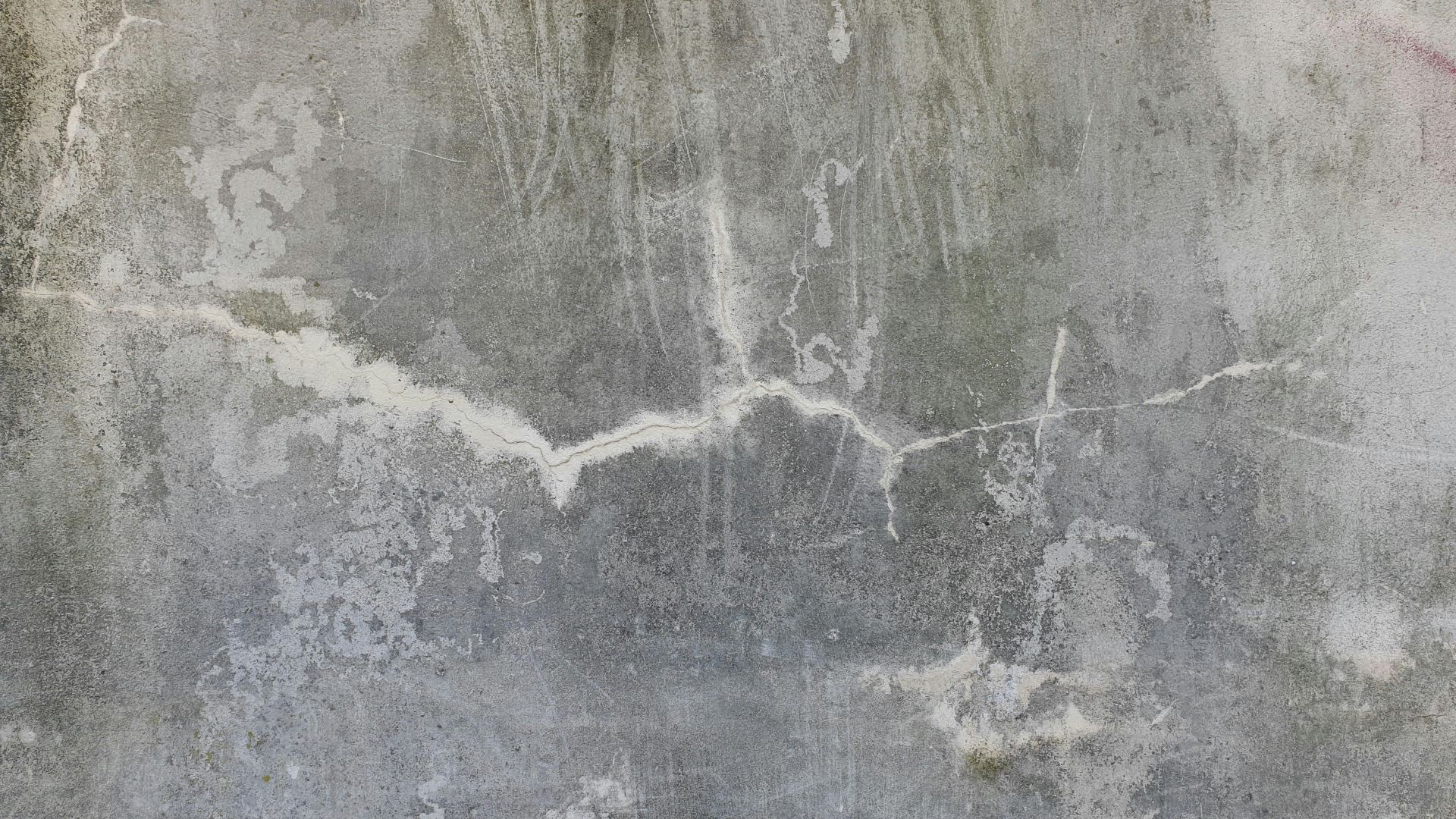
Concrete Driveway Cracks in Coastal Heat: Causes & Repairs
Concrete Driveways and Coastal Heat Stress in Durban
Concrete driveways are quietly hardworking structures, bearing the slow rhythm of daily life while absorbing the invisible pressure of climate and traffic. In coastal environments such as Durban, driveways face a particularly complex battle. The combination of humidity, salt air, intense sunlight, and vehicle load cycles creates a perfect environment for surface stress.
Homeowners across coastal parts of South Africa often notice hairline fractures developing along driveway slabs after a few summers. These cracks are not always signs of catastrophic structural failure. More often, they are the concrete’s way of releasing accumulated tension caused by thermal expansion and contraction.
Concrete behaves somewhat like a living material once installed outdoors. During hot coastal afternoons, the surface layer heats and expands faster than the deeper layers beneath. When night falls, the top cools more rapidly. This repeated micro-movement gradually weakens internal cohesion. Vehicles passing over the surface add mechanical loading, creating stress points that follow the path of least resistance.
Understanding driveway cracking begins with accepting that concrete is strong but not infinitely rigid. Without design accommodations for movement, even a well-poured slab can develop fractures over time. The key is not attempting to create a crack-proof driveway but rather designing one that cracks in controlled, predictable ways.
Coastal homeowners should treat driveway maintenance as a long-term performance strategy rather than a one-time construction event. Properly managed concrete can last decades even under aggressive sun exposure.
Why Coastal Heat Accelerates Concrete Cracking
The coastal climate around Durban produces a unique thermal environment. Summer pavement temperatures can climb significantly higher than ambient air temperature due to solar absorption. Darker driveway finishes are especially vulnerable.
Concrete expands when heated. While the expansion itself is usually small, the real problem lies in differential movement. The upper surface of a driveway heats faster than the base layer, creating internal shear stress. Over months and years, this stress finds release through cracking.
Salt carried by ocean breezes can also contribute indirectly. Although concrete is not highly vulnerable to surface salt damage like steel, salt can accelerate moisture cycling within micro-pores. Moisture trapped inside the slab expands when heated and contracts during cooling, slowly pushing microscopic fissures wider.
Vehicle movement adds a rhythmic compression load. When a car parks or drives across a slab, the concrete flexes slightly. This flexing is usually invisible but cumulative. Think of it like bending a thin metal ruler repeatedly until fatigue lines appear.
Humidity further complicates the picture. High coastal humidity slows evaporation after rain or cleaning, meaning the concrete spends longer periods in a saturated state. Saturated concrete responds more dramatically to temperature shifts because internal water content acts as a thermal transfer medium.
The result is a material constantly negotiating between sun, load, moisture, and time.
Recognising Early Signs of Driveway Failure
Early crack detection is essential for homeowners in coastal areas of Durban. Small fractures are much easier and cheaper to repair than mature structural splits.
Hairline cracks usually appear first. These are thin lines often less than a millimetre wide. They may run randomly across the surface or follow straight paths that suggest stress alignment.
Surface dust accumulation inside a crack is a strong indicator that the crack has existed long enough to begin collecting airborne particles. If grass or weed growth appears inside the crack, moisture retention is already established.
Watch for crack behaviour rather than just crack presence. A crack that remains stable for several months is less concerning than one that gradually widens after seasonal heat cycles.
• Slight edge lifting along crack lines suggests internal movement beneath the slab. • Sounds of hollow resonance when tapping the concrete surface may indicate void formation. • Discolouration around fractures often points to moisture penetration.
Homeowners should inspect driveways after the peak summer season when thermal expansion has reached its maximum stress state. Autumn provides a good diagnostic window because temperature fluctuations begin stabilising.
Ignoring early cracking is similar to ignoring a creaking hinge. The noise may be small, but the mechanism is already working under strain.
The Role of Vehicle Load Cycles in Crack Formation
Driveways are not static architectural surfaces. They are dynamic load-bearing platforms that experience thousands of microscopic stress events every year.
Every time a vehicle enters or exits a driveway in coastal Durban, weight is transferred through tyre contact patches into the slab. These patches act like concentrated pressure points.
Passenger vehicles usually pose little immediate risk if the driveway was properly designed. Problems arise when heavier vehicles such as delivery trucks, construction vehicles, or multiple parked cars concentrate load on the same section repeatedly.
Turning wheels are particularly destructive because they introduce lateral shear stress. When a car rotates its wheels while stationary or moving slowly, the tyre surface grips the concrete and pulls slightly against the top layer.
Over time, this shear action encourages crack initiation at weak points such as:
Construction joints
Poorly compacted subgrade zones
Areas with insufficient steel reinforcement
Thin slab edges
Driveways that support frequent parking traffic should ideally be designed with load distribution in mind. This is especially relevant in residential areas where extended family vehicle usage is common.
Joint Cutting as a Primary Prevention Strategy
Joint cutting is one of the most effective methods of controlling driveway cracking in coastal construction environments.
Concrete naturally wants to crack as it cures and ages. Joint cutting gives the material permission to crack where engineers want it to crack.
Expansion joints act like pressure valves in a sealed system. They create intentionally weakened lines where movement can occur without damaging structural integrity.
In the construction process, joints are usually cut once the concrete has gained sufficient strength but before internal thermal stresses become dominant.
For driveways in Durban, joint spacing must account for higher thermal movement compared to inland regions. Coastal heat cycles are slower but more persistent.
Typical driveway joint spacing ranges between three to four metres depending on slab thickness and reinforcement design.
Joint depth is equally important. As a rule of thumb, cut joints should reach approximately one-quarter of the slab thickness. Shallow joints behave more like cosmetic grooves rather than functional stress relief channels.
The joint cutting process also helps manage crack directionality. Instead of random spiderweb cracking, the concrete develops predictable linear fractures that are easier to seal and maintain.
Reinforcement Options for Coastal Driveways
Steel reinforcement remains one of the most reliable methods for strengthening driveway slabs exposed to coastal weather.
Rebar mesh reinforcement distributes tensile forces across a wider surface area. Concrete is naturally strong under compression but weak under tension. Reinforcement compensates for this imbalance.
In high-heat coastal zones around Durban, contractors sometimes increase reinforcement density slightly compared to inland installations.
However, more steel is not always better. Over-reinforcement can restrict natural slab movement and actually increase crack localisation if thermal expansion has nowhere to release.
Modern construction also explores fibre reinforcement additives mixed directly into concrete batches. Synthetic microfibres act like invisible spider silk threads inside the slab matrix, reducing micro-crack propagation.
For residential driveways in South Africa, a balanced approach is usually recommended:
Moderate steel mesh reinforcement
Proper sub-base compaction
Strategic joint cutting
Quality curing control
The sub-base layer is often overlooked. Even the strongest concrete will crack prematurely if the ground beneath shifts unevenly during seasonal moisture changes.
Sealants and Surface Protection in Coastal Environments
Sealants are the frontline defenders against moisture penetration and salt intrusion in coastal driveway maintenance.
A good sealant functions like a transparent raincoat for concrete, allowing the surface to breathe while preventing aggressive water ingress.
Driveways in coastal regions should ideally be resealed every two to three years depending on traffic intensity and sun exposure.
Silane and siloxane-based penetrating sealants are popular because they do not form thick surface films. Instead, they soak into the pore structure and repel moisture from inside.
Surface film sealants provide better visual sheen but may degrade faster under intense sunlight typical of coastal summers.
Homeowners in Durban should schedule sealing maintenance during dry winter periods when humidity is lower and curing conditions are more predictable.
Before sealing, the driveway surface must be thoroughly cleaned. Dirt particles trapped under sealant layers can create blistering zones where moisture eventually accumulates.
Repairing Existing Cracks Before They Grow
When cracks appear, repair timing is crucial. Small fractures can often be repaired using flexible polymer fillers designed for concrete surfaces.
Epoxy injection is suitable for structural cracks that are deeper than surface-level fissures. This method restores internal bonding strength but requires professional application.
For non-structural hairline cracks, acrylic or polyurethane fillers are commonly used because they can tolerate slight thermal movement.
Repair preparation involves:
Cleaning the crack channel using compressed air or mechanical brushing
Removing loose debris
Ensuring the crack is completely dry before filler application
Applying filler slowly to avoid air entrapment
Homeowners sometimes make the mistake of sealing cracks superficially without addressing underlying moisture. This can trap water inside the slab, creating hidden deterioration zones.
In coastal Durban, repairs should ideally be done before the rainy season begins.
When Driveway Replacement Becomes Necessary
Not every cracked driveway can be saved by repair methods.
Replacement becomes the rational choice when cracking is accompanied by structural movement, widespread slab fragmentation, or persistent water pooling.
Warning signs include:
Cracks wider than five millimetres that continue expanding seasonally
Significant slab sinking or uneven elevation between panels
Repeated failure of previous repair attempts
Visible reinforcement steel corrosion
If rust stains appear around cracks, it may indicate that moisture has reached embedded steel reinforcement. Rust expansion exerts internal pressure that accelerates concrete fracture growth.
Driveway replacement in coastal areas should be approached with improved design standards compared to the original installation.
Modern replacement projects often include thicker base preparation, enhanced joint planning, and improved curing protection against coastal wind drying.
Professional Inspection and Long-Term Maintenance
Professional structural inspection is valuable even for residential driveways that appear visually intact.
Maintenance planning in coastal regions of Durban should follow a seasonal rhythm rather than a reactive one.
A practical homeowner maintenance cycle might include:
Summer: Visual crack monitoring
Autumn: Surface cleaning and moisture inspection
Winter: Sealant application
Spring: Load pattern review if vehicle usage changes
Driveways are not meant to remain perfectly smooth forever. Instead, they should age gracefully, like coastal stones worn softly by wind and tide.
The goal of maintenance is not immortality but controlled longevity. By guiding how concrete moves, breathes, and relieves stress, homeowners can protect their investment while respecting the restless energy of coastal climate cycles.
The Future of Coastal Driveway Construction
Construction technology continues evolving to meet the challenges of coastal urban living.
Research into high-performance concrete mixes is producing materials with improved thermal stability and reduced micro-crack formation. Some modern formulations incorporate nano-scale additives that enhance bonding strength at microscopic levels.
For property owners in South Africa, the future of driveway construction will likely emphasise sustainability, durability, and climate-responsive design.
Rather than resisting nature, next-generation driveways are expected to cooperate with it. Controlled cracking, intelligent reinforcement placement, and adaptive sealing technologies may become standard practice.
The coastal driveway of tomorrow may not be crack-free. But it will be smarter, calmer under heat, and more forgiving of the long summer conversations between sun, concrete, and passing wheels.